Guide walkthrough
Start reading here
This is the main article body, where the page shifts from summary cards into the actual workflow and decision-making notes.
On this page
Key terms for this guide
These glossary pages cover the ideas and platform language most likely to matter as you work through this guide.
Keep the chart readable first
Price action indicators should explain the chart, not compete with it. The strongest ones highlight structure, compression, or recent extremes without forcing a separate panel workflow.
- If the tool takes longer to decode than the candles themselves, it is not helping enough.
- The best overlays emphasize location and context, not decoration.
- A clean chart usually supports better decisions than a highly annotated one.
Use pattern tools as context
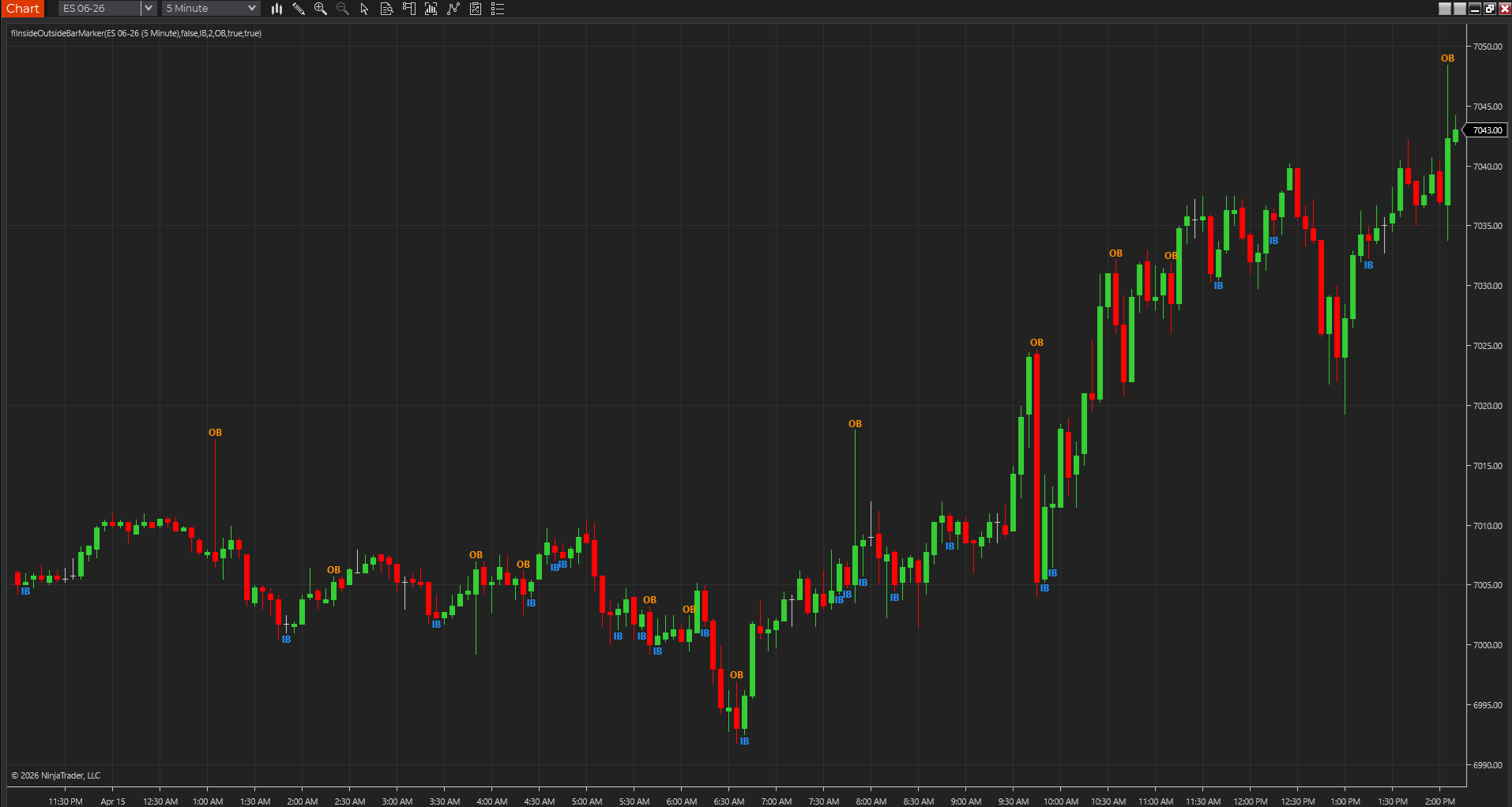
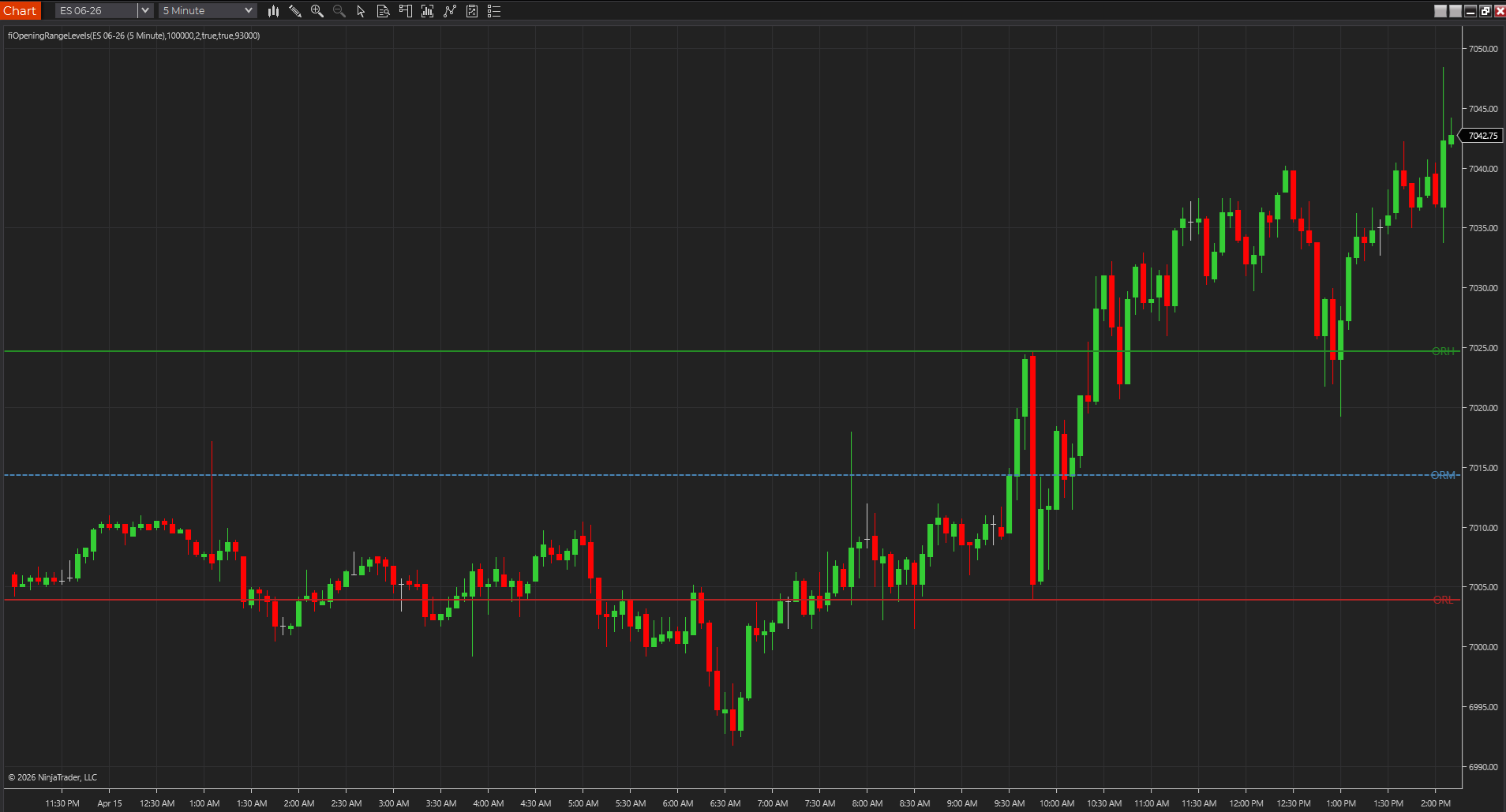
Inside bars, outside bars, and opening-range references are simple ideas, but they become much more useful when they are tied to the right session context.
- A breakout without activity is a different event than one that expands with volume or speed.
- A pattern at a prior-session level usually matters more than the same pattern mid-range.
- This is where pairing price action with session and participation tools helps.
Choose based on workflow
A clean price action workflow is usually built from two or three references that complement each other. More than that often turns the chart into visual disagreement.
- Opening range tools fit traders who care about the session open.
- Donchian channels fit traders who want rolling breakout structure.
- Inside and outside bar markers fit traders who want compression and expansion cues.
Use one structural anchor
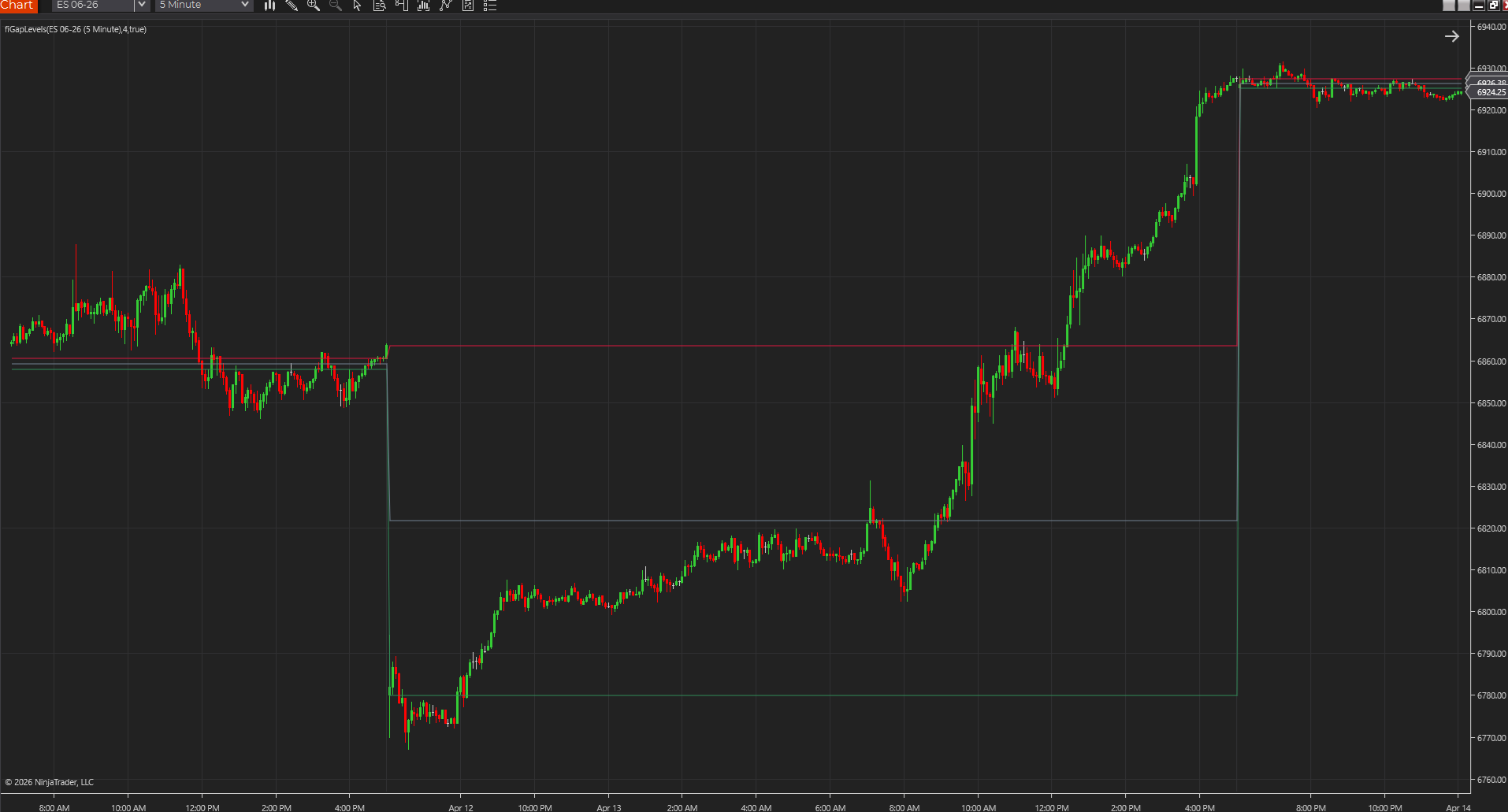
Price action becomes easier to read when it sits against a stable frame like session levels, higher-time-frame references, or a known opening range.
- Without an anchor, many patterns blur together.
- With an anchor, even a simple inside bar can carry more meaning.
- This is why price action pages should connect cleanly to level pages.
Accept that confirmation often comes late
Some price action tools only become reliable after the setup has matured. That is normal. A late-but-clean read is often more useful than a hyperactive early guess.
- Channels update as the lookback rolls forward.
- Inside and outside bar markers are simple, but their meaning still depends on what happens next.
- Opening range tools do not fully stabilize until the range window is complete.
Move from overview to specialist pages
Once you know whether you are solving for opening drive, compression, or rolling breakout structure, the narrower guides and product pages become more useful than a broad overview.
- Use the featured guide to frame the workflow.
- Use the supporting guides to compare specific choices.
- Use the product pages when you are ready to install or test.
Best next reads
These pages pick up the questions most readers usually have next, so you do not have to back out and start a fresh search.
Frequently asked questions
Are price action indicators supposed to generate entries by themselves?
Usually no. Their best job is to organize the chart and make structure, compression, and breakout context easier to see.
Should I choose opening range tools or Donchian channels first?
Choose based on the question you care about. Opening range tools are session-open specific, while Donchian channels help with rolling breakout structure throughout the session.
Do inside bar markers work on every chart equally well?
No. Pattern frequency and usefulness change with chart type, timeframe, and market conditions, so they should always be tested in context.