Guide walkthrough
Start reading here
This is the main article body, where the page shifts from summary cards into the actual workflow and decision-making notes.
On this page
Key terms for this guide
These glossary pages cover the ideas and platform language most likely to matter as you work through this guide.
A bars counter is context, not a trade system
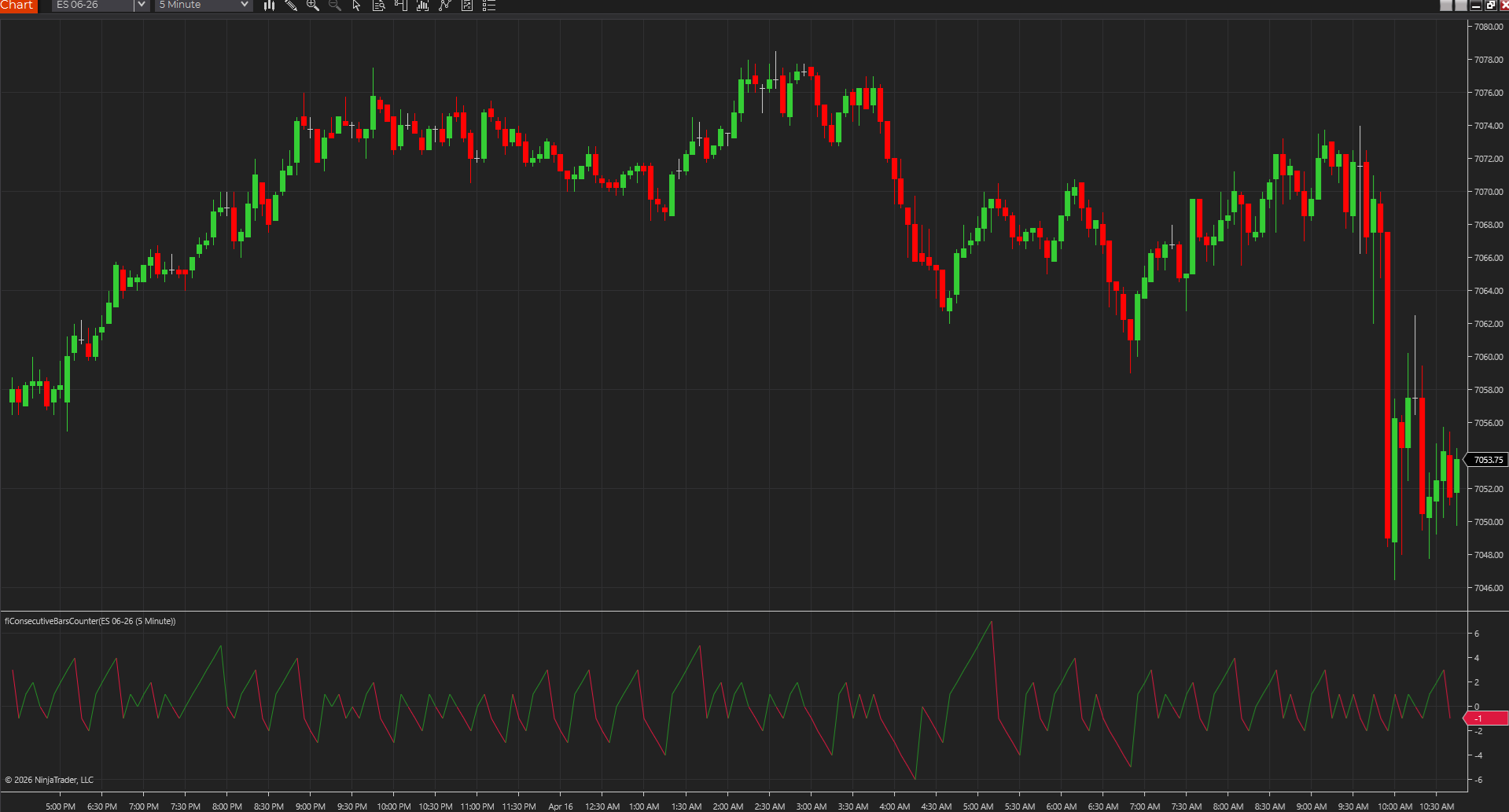
Counting consecutive bars helps frame whether price is stretching in one direction or continuing with discipline. It is best used as short-term context rather than as an automatic entry rule.
- The count tells you something about persistence, not certainty.
- It can help a trader notice when the market is unusually one-sided for the moment.
- That makes it useful as a lens, not as a standalone system.
High counts can mean continuation or exhaustion
A long run of same-direction bars can show strong momentum, but it can also show that the move is getting stretched. The surrounding structure and participation decide which interpretation matters more.
- A high count into clean breakout structure may support continuation.
- A high count into an obvious higher-time-frame barrier may suggest stretch instead.
- The number becomes useful only when the surrounding chart gives it meaning.
The count is stronger when tempo is visible too
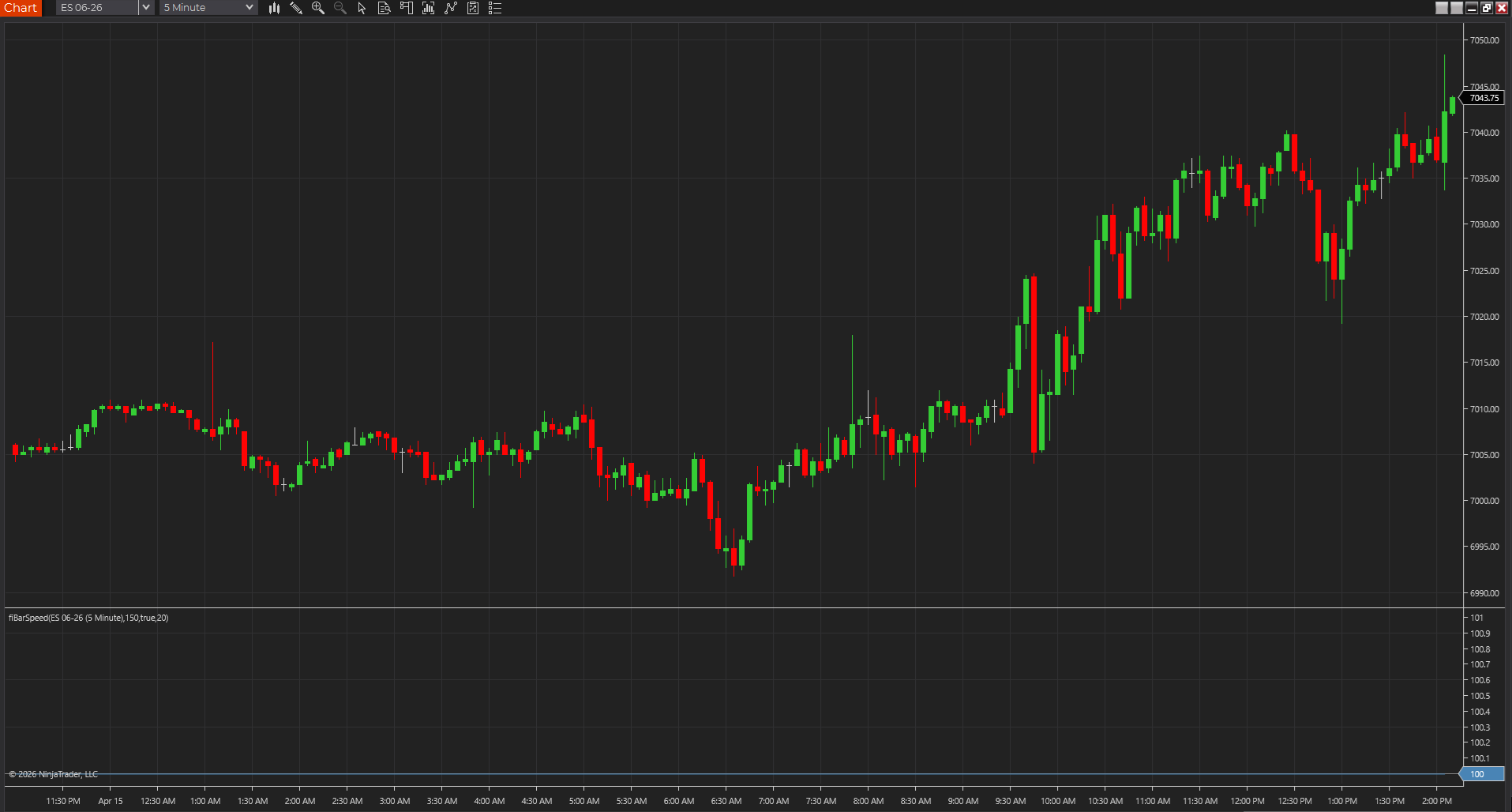
A string of same-direction bars matters more when you can also tell whether the move is accelerating, slowing, or fading. That is why consecutive bar counts often pair well with speed or participation tools.
- A slow grind and a fast burst can produce the same count but mean very different things.
- Tempo helps explain whether the count reflects urgency or just persistence.
- That extra layer keeps the tool from becoming too literal.
Pair the count with speed or structure
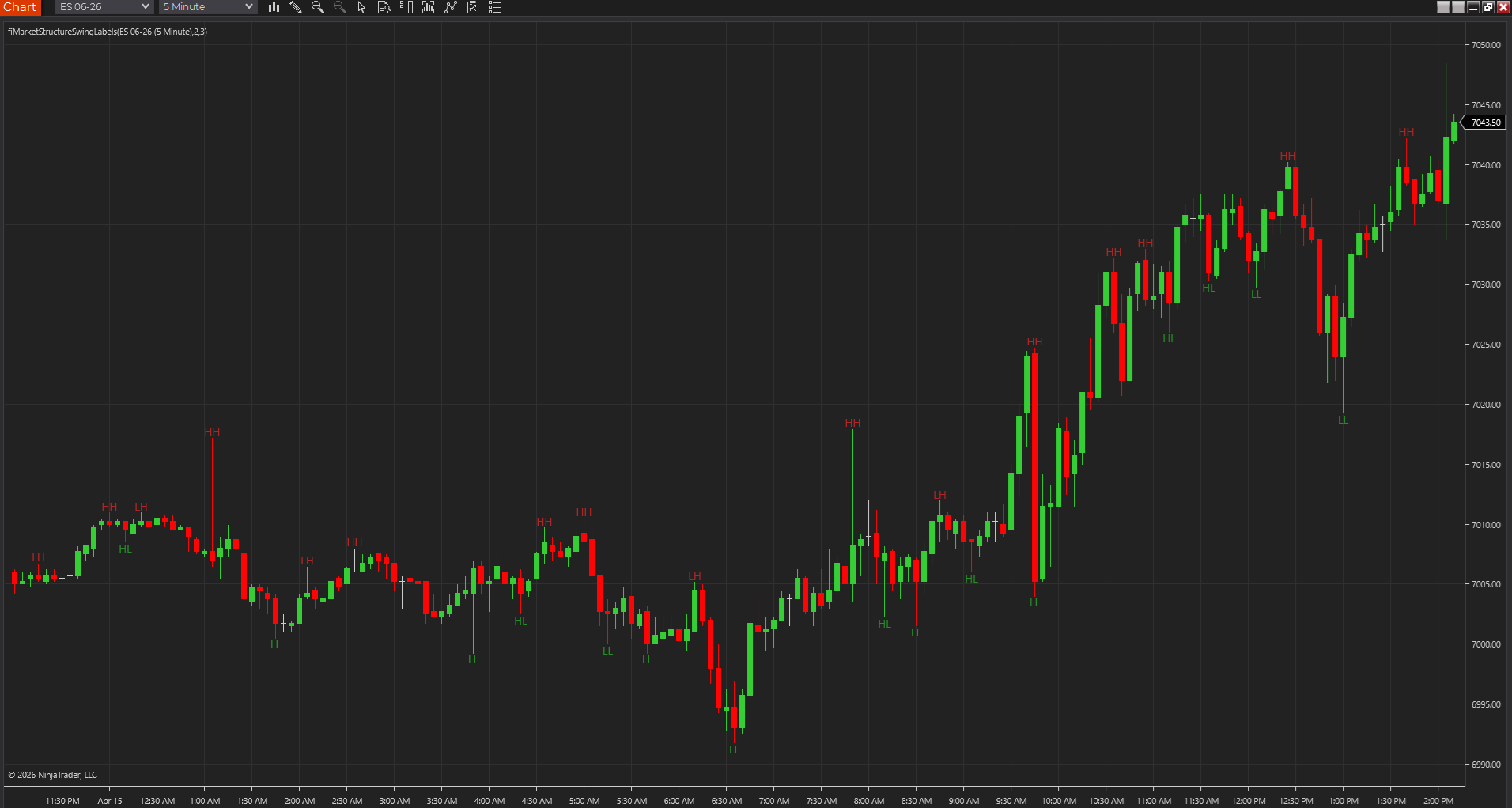
A consecutive-bars read becomes more useful when you also know whether bars are accelerating and whether price is pressing into a meaningful structure area.
- Use structure to decide where the count matters.
- Use speed or participation to decide how serious the run looks.
- That combination turns the counter into a cleaner short-term context tool.
Best next reads
These pages pick up the questions most readers usually have next, so you do not have to back out and start a fresh search.
Frequently asked questions
Does a high consecutive-bar count always mean reversal?
No. It can point to continuation or exhaustion depending on where it happens and what the surrounding participation or structure looks like.
What is the best way to use a consecutive bars counter?
Use it as short-term context. It helps frame whether a move is stretching or building, but it should still be paired with structure, pace, or volatility context.
Should the count be traded by itself?
Usually no. The count is a useful clue, but it becomes much better when it sits inside a broader price-action read.