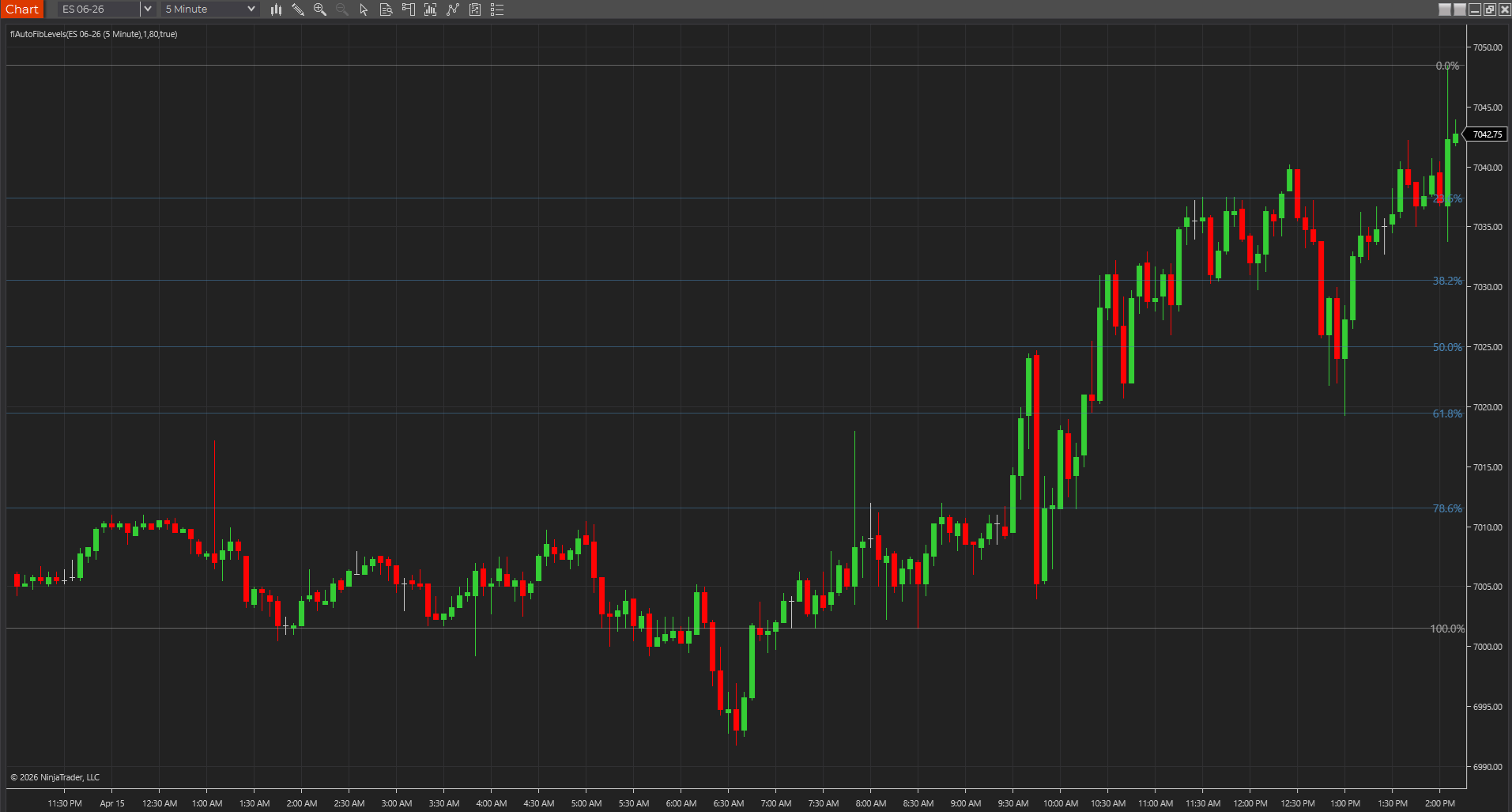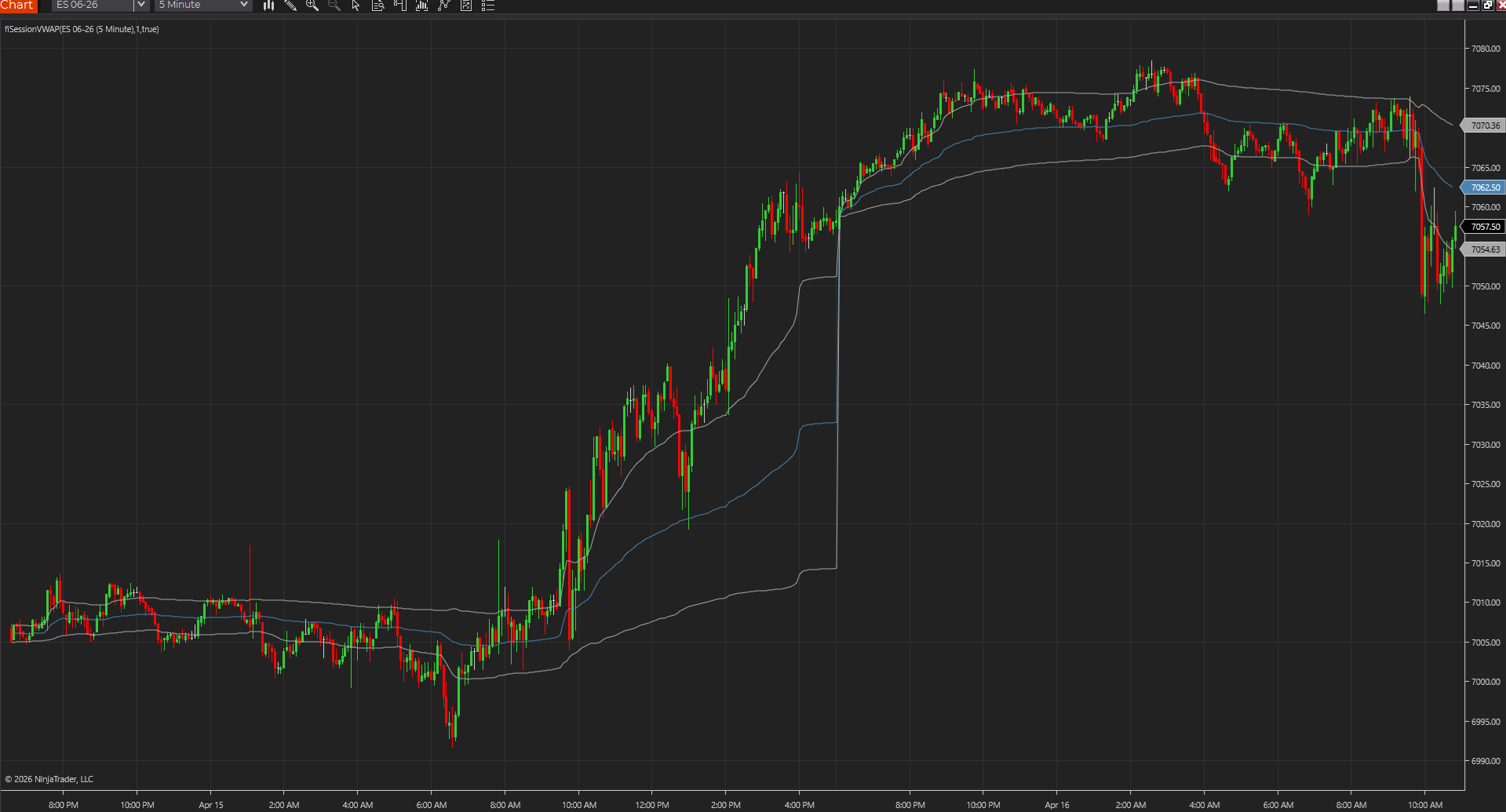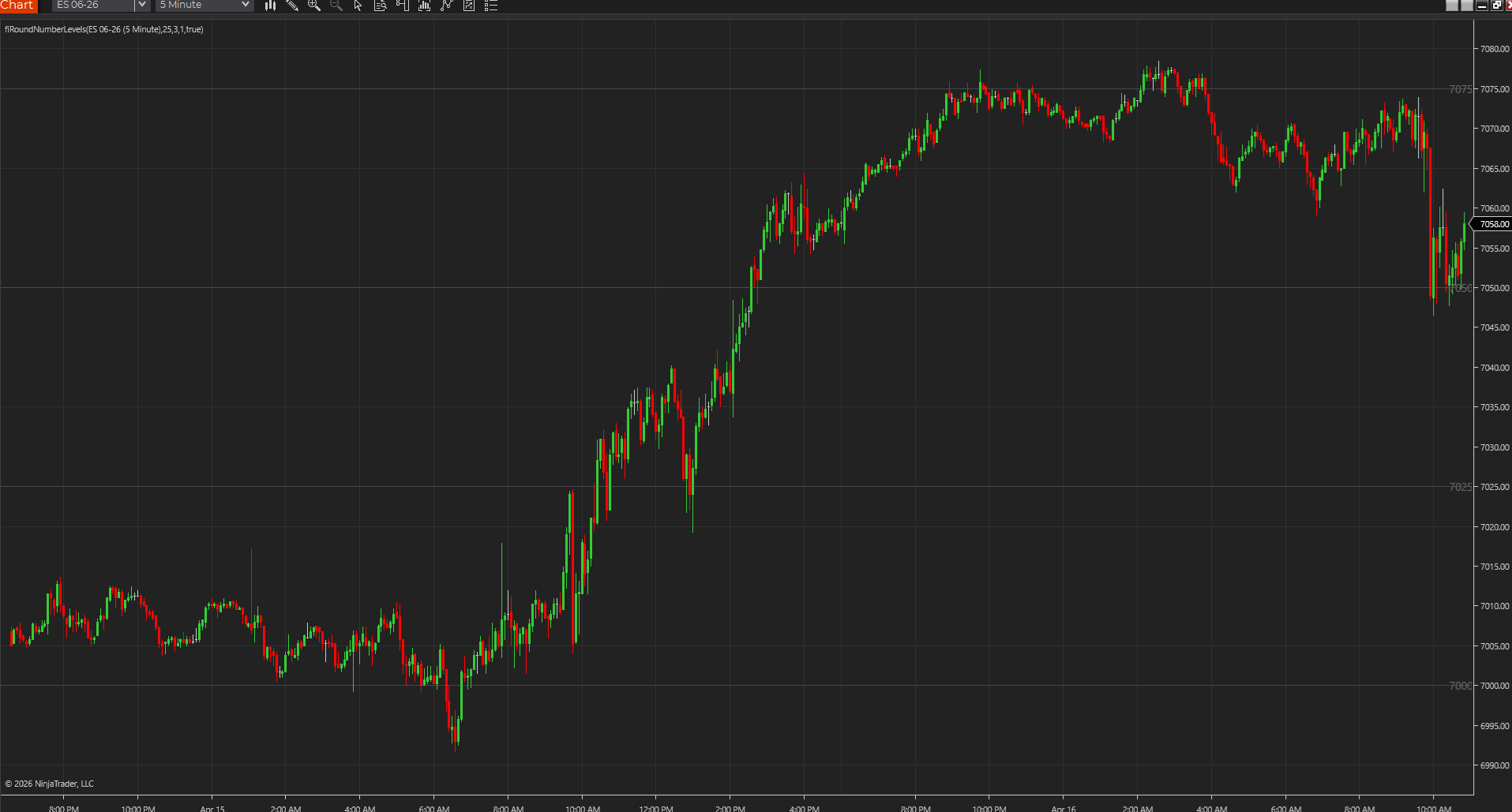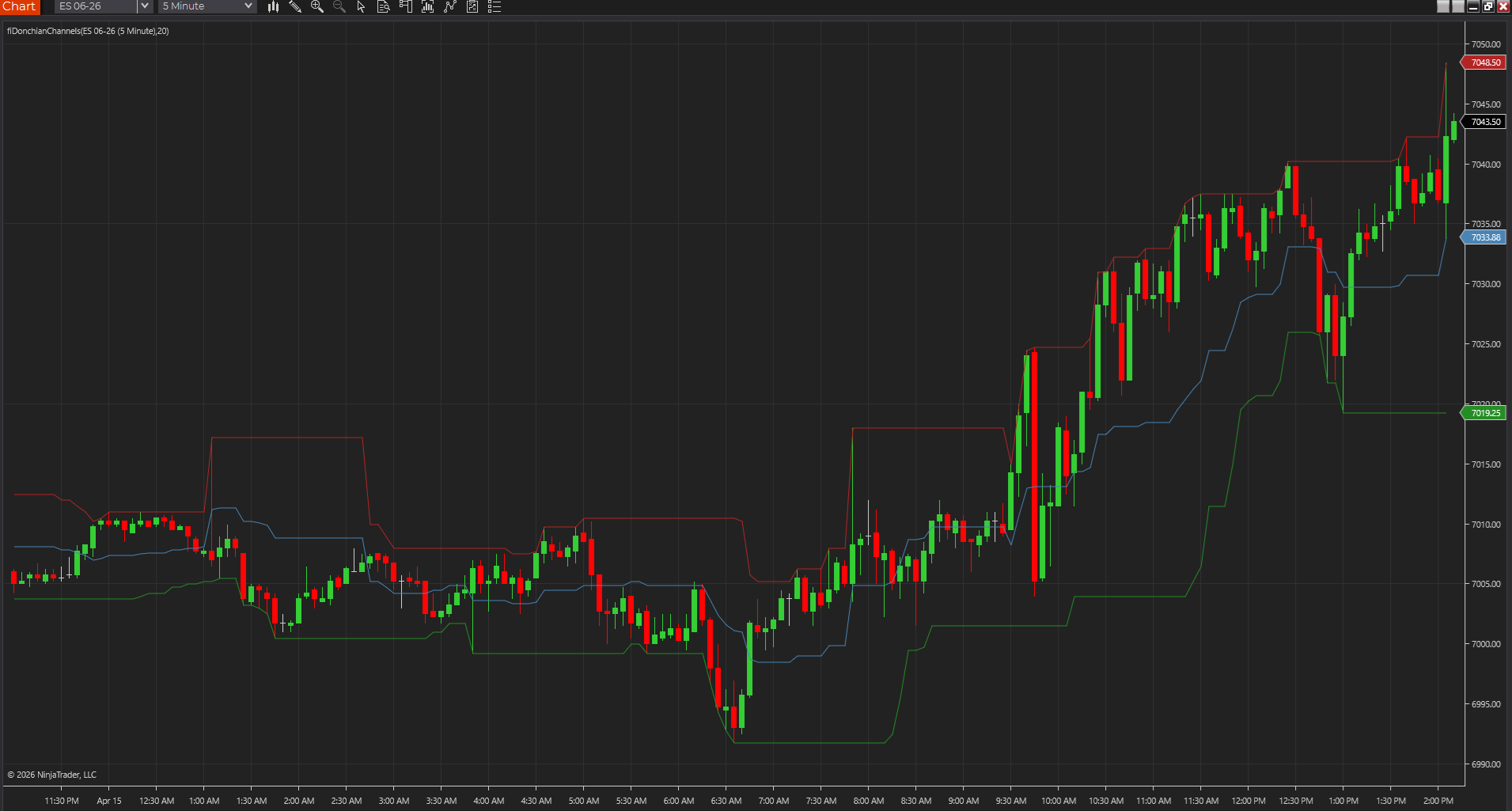
Best places to start in this workflow
These are the quickest pages to open if you want the category to turn into something practical right away.
Featured indicator
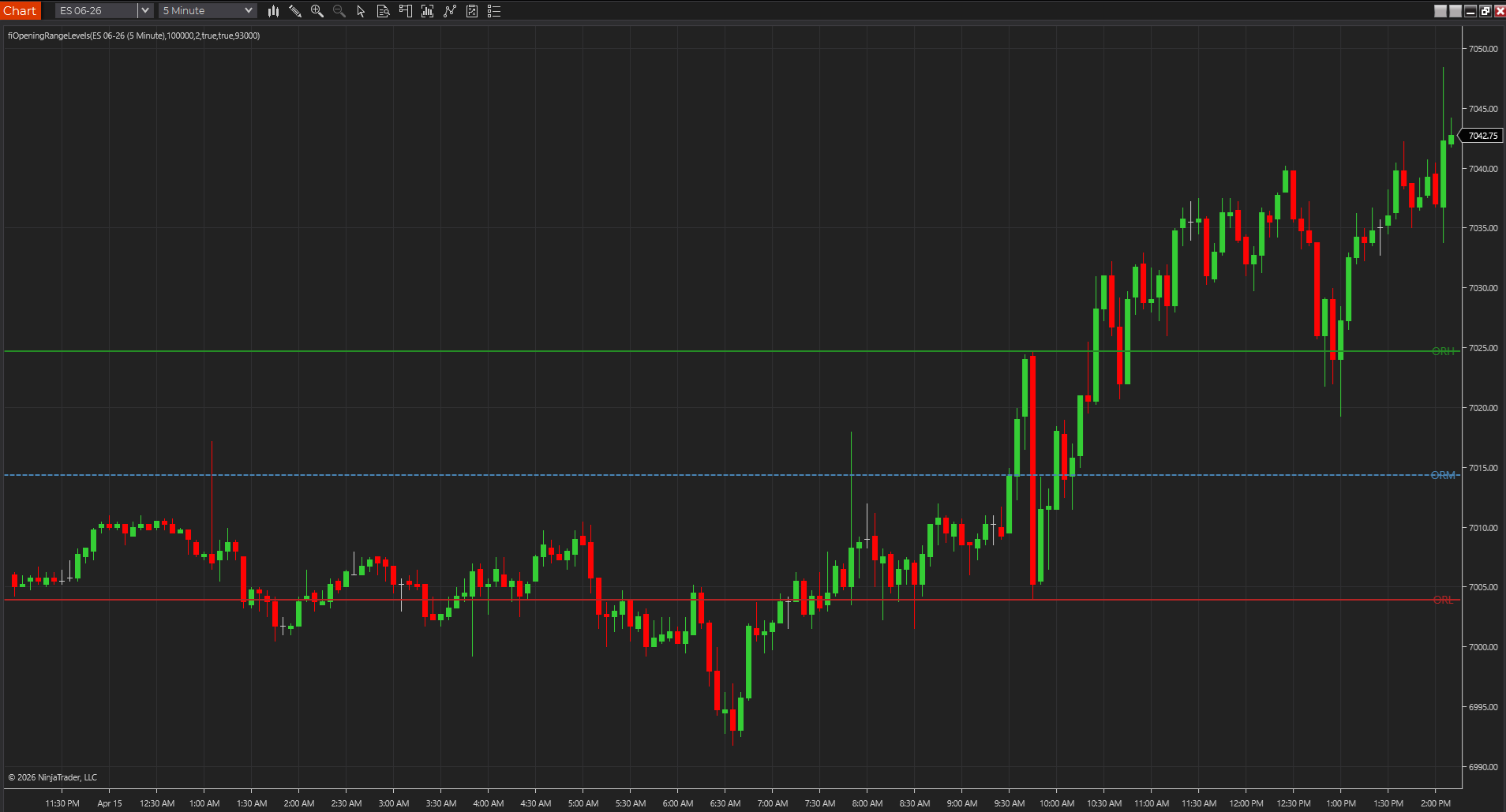
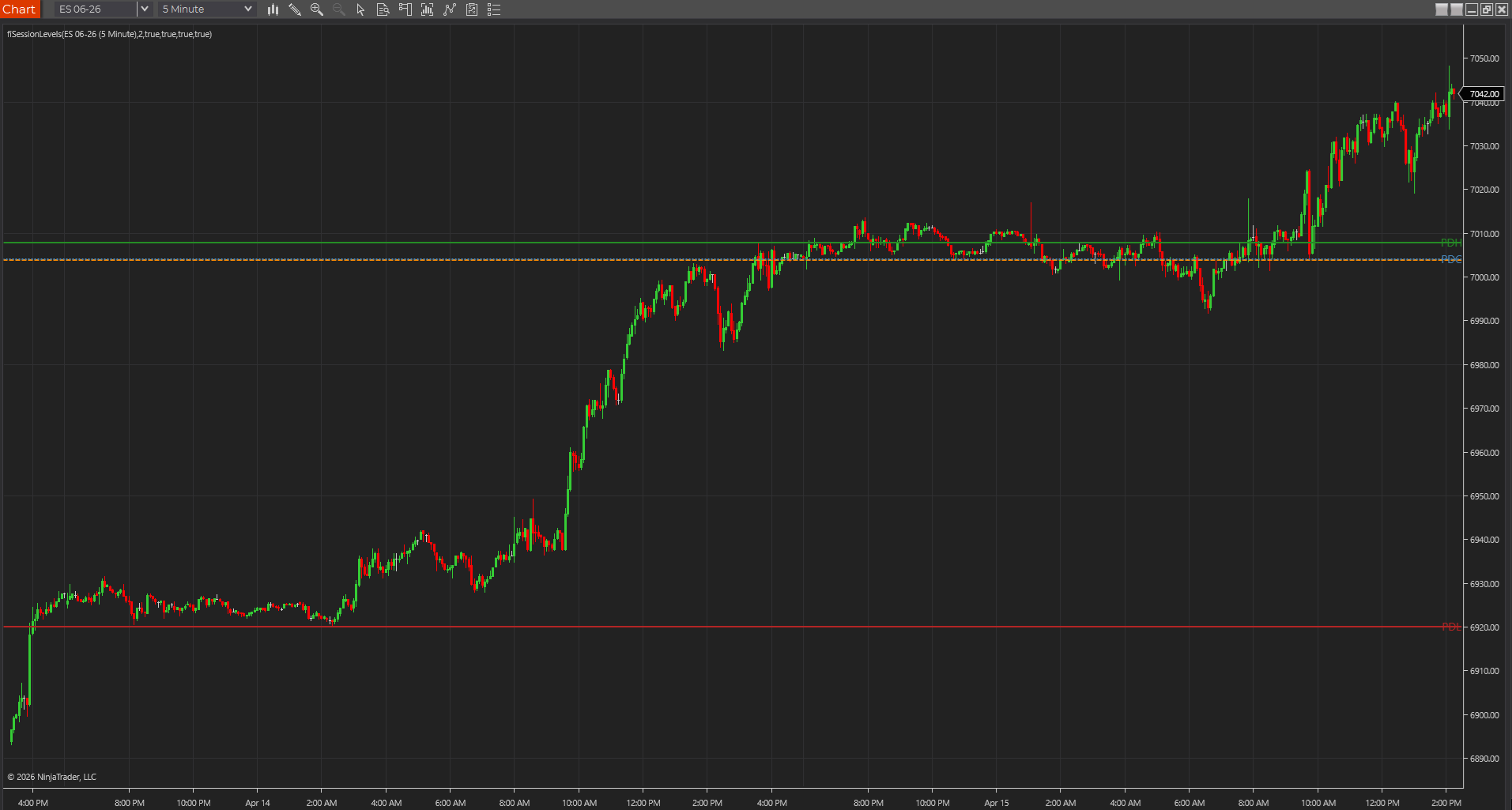
Session Levels Indicator
Keeps prior-session highs, lows, close, and the current session open visible so the chart has a cleaner intraday auction map from the start.
Open indicatorFeatured indicator
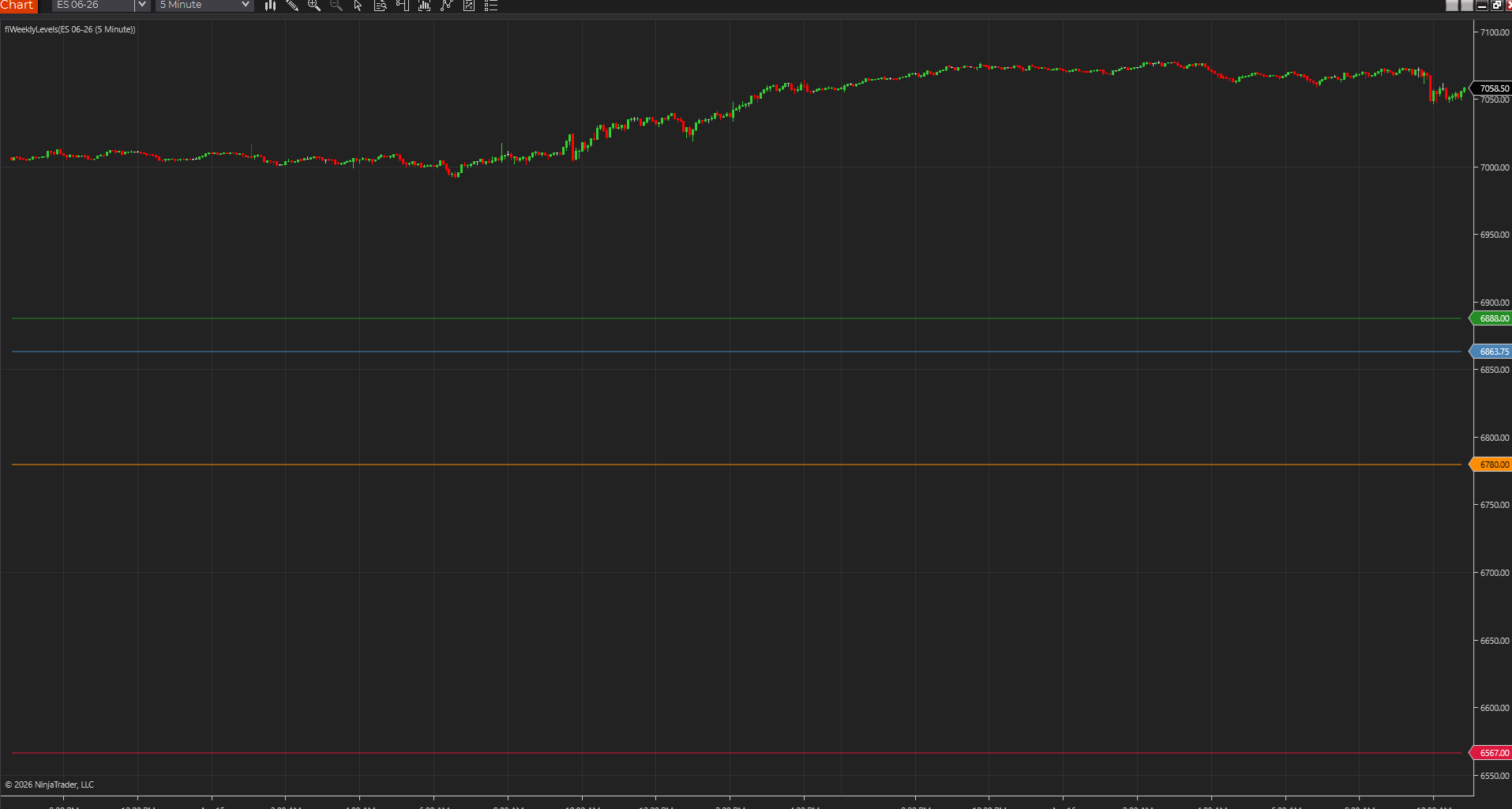
Weekly Levels
Keeps the prior week's high, low, close, and the current week's open on screen so broader reference prices stay visible on intraday charts.
Open indicatorFeatured indicator
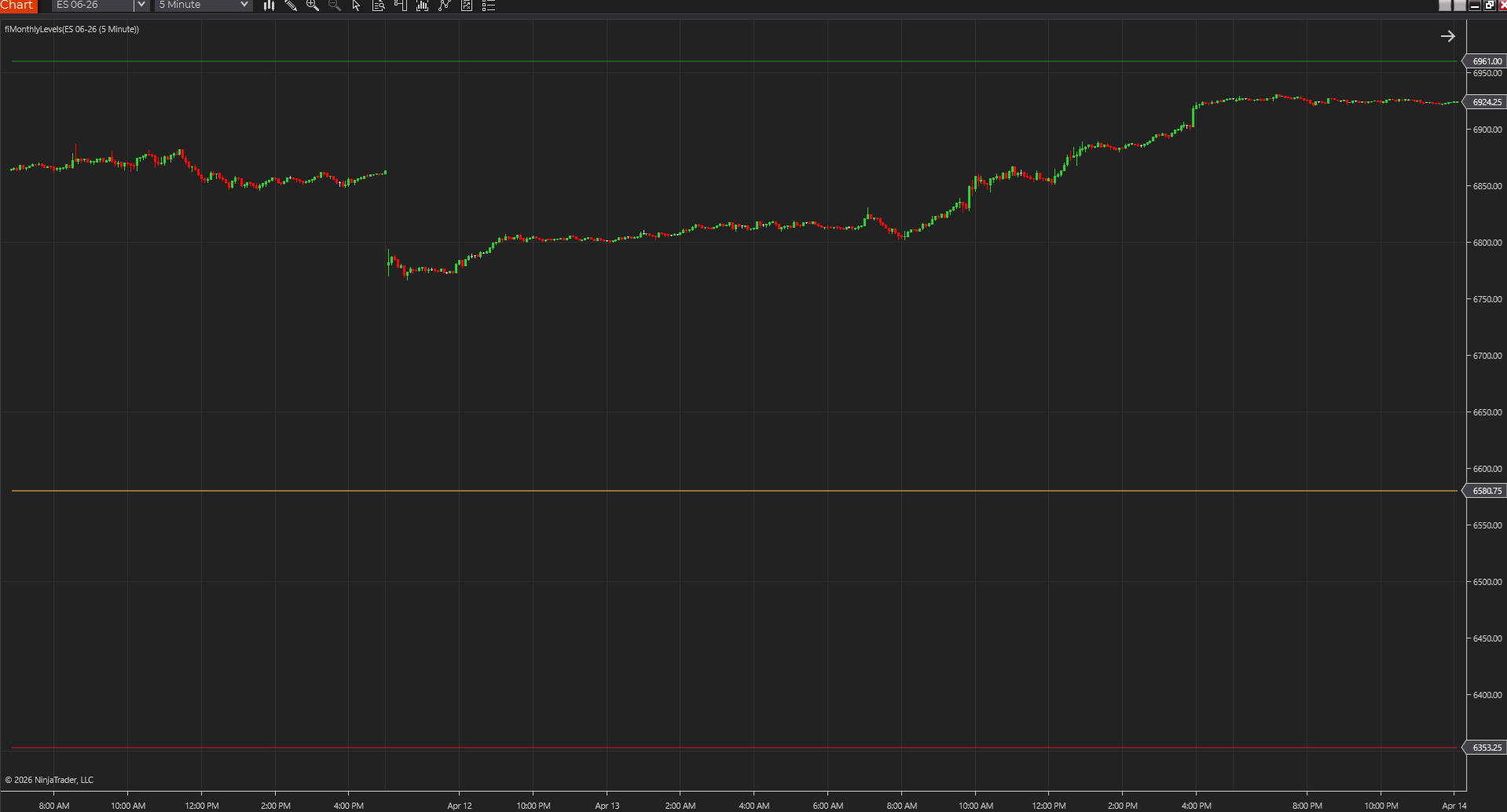
Monthly Levels
Shows the prior month's high, low, close, and the current month's open so bigger-picture reference prices stay visible every day.
Open indicatorFeatured indicator
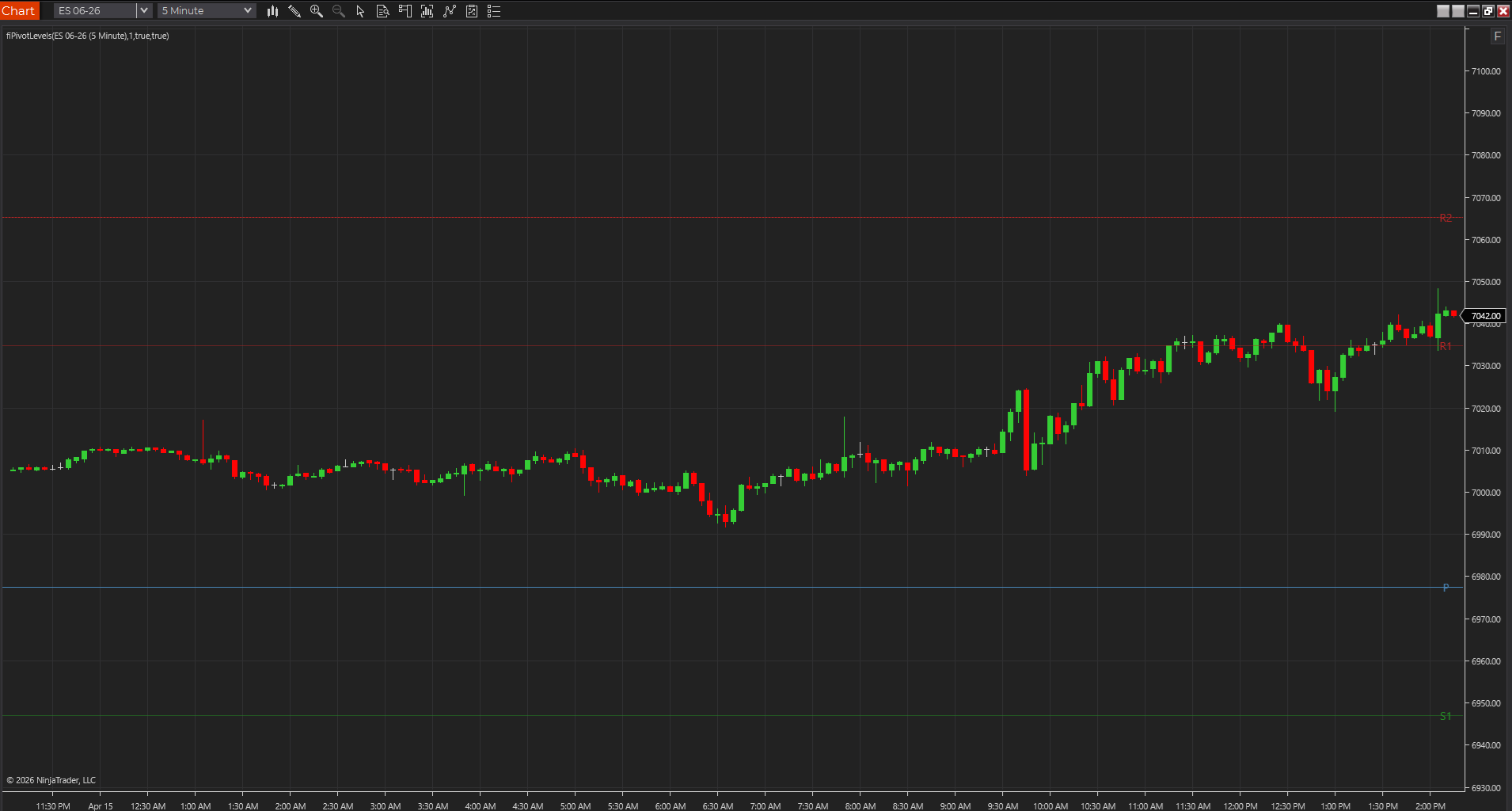
Classic Pivot Levels
Draws classic pivot, support, and resistance levels from the prior session so traders have a ready-made intraday reference map.
Open indicatorFeatured indicator
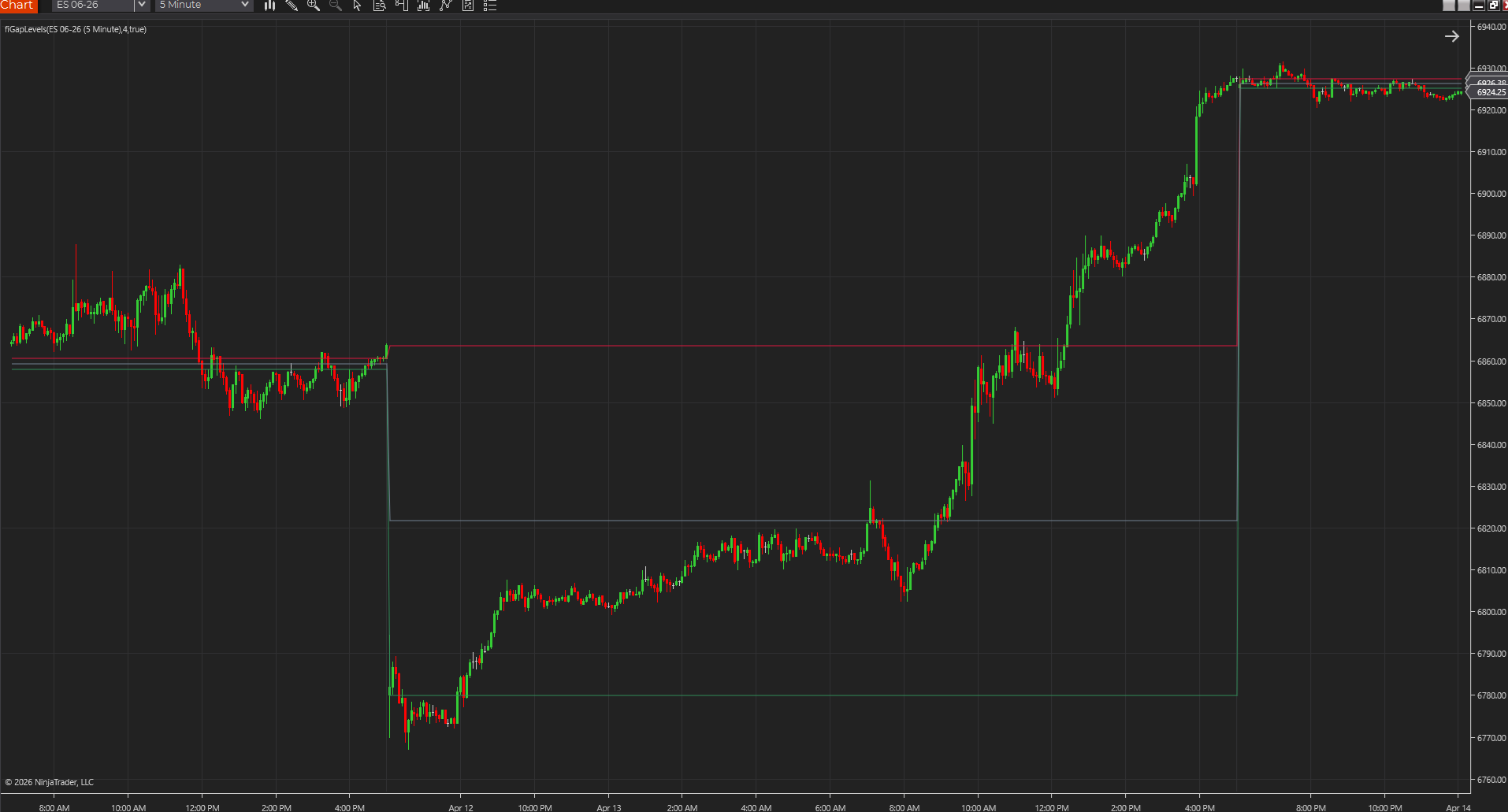
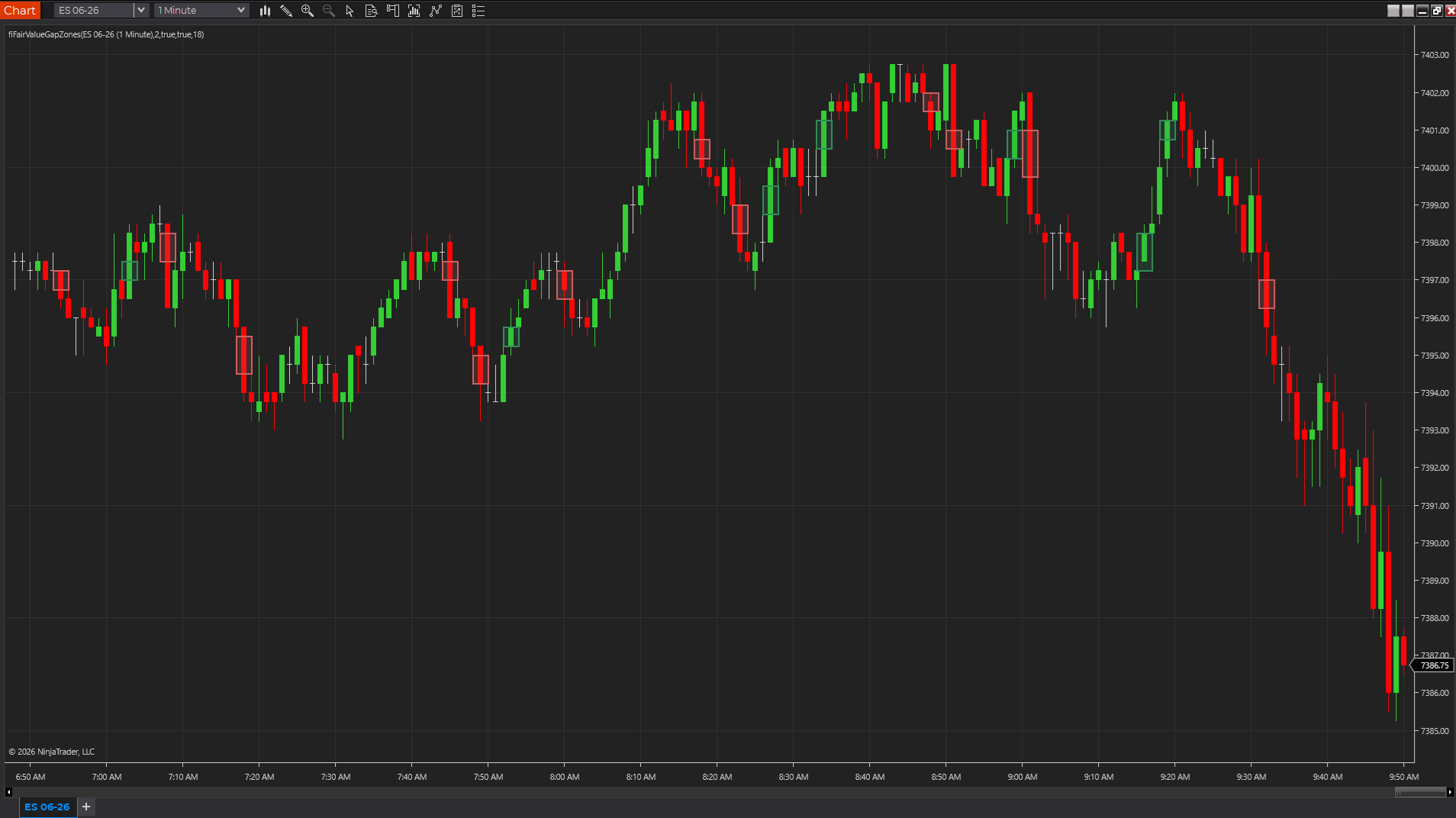
Gap Levels
Marks opening gap boundaries and midpoint so traders can see the current session's gap structure without drawing it by hand.
Open indicatorKey terms in this workflow
Use these definitions to sharpen how you read the tools grouped in this category.
Level stack matrix
Use this table to decide which support/resistance guide or indicator should lead the chart before adding secondary level layers.
| Option | Best fit | Why it helps | Open this first when |
|---|---|---|---|
| Prior-day levels | Active-session orientation | Shows the prices the current session is accepting, rejecting, or retesting | You need a clean intraday map before adding broader levels |
| Weekly levels | Broader structure | Adds higher-time-frame context that still updates often enough for active futures trading | The session is pressing into a wider weekly decision area |
| Monthly levels | Major anchor points | Keeps large structure visible without treating every broad level like an entry trigger | Price is near a bigger reference that could change trade location |
| Classic pivots and gap levels | Supporting framework | Adds projected or displacement context after the raw map is already clear | A pivot, gap, or overlap zone helps rank the next important price |
| Futures level stack guide | Workflow design | Explains how to combine raw, broad, and calculated references without crowding the chart | You need a repeatable process for choosing which lines stay visible |
Prior-day levels are the first intraday map
Prior highs, lows, opens, and closes usually give futures traders the fastest read on what the current session is accepting or rejecting. The new prior-day comparison guide now anchors this hub because it explains when that map should stay primary.
Weekly and monthly levels are broader context
Higher-time-frame references should not crowd the chart by default. Use weekly levels for active broader structure and monthly levels as wider decision zones when the market is actually near them.
Pivots and gaps support the raw map
Classic pivots and gap levels can sharpen preparation, especially when they overlap with prior-session or higher-time-frame levels. They are strongest as ranking tools, not as a separate maze of projected prices.
Session templates still control the output
Any level tool that depends on opens, highs, lows, closes, or session boundaries can change when the session template changes. Verify the template before trusting a level stack.
What tends to work best in this category
Workflow tip
Start with prior-day levels when the question is what the current session is accepting or rejecting.
Workflow tip
Bring weekly and monthly levels forward only when broader structure changes the current read.
Workflow tip
Use pivots and gap levels as supporting context, not as equal-weight lines beside every raw reference.
Workflow tip
Keep the level stack small enough that the most important prices are obvious under pressure.
Related pages worth opening next
Use these to compare tools, sharpen the workflow, or jump into a more specific implementation path.
Related page
Prior-day vs weekly and monthly levels
Open a deeper comparison or platform-specific page connected to this category.
Open pageRelated page
Build a futures level stack
Open a deeper comparison or platform-specific page connected to this category.
Open pageRelated page
Weekly Levels vs Monthly Levels
Open a deeper comparison or platform-specific page connected to this category.
Open pageRelated page
How to use Classic Pivot Levels on futures charts
Open a deeper comparison or platform-specific page connected to this category.
Open pageRelated page
Gap levels vs prior-session levels
Open a deeper comparison or platform-specific page connected to this category.
Open pageRelated page
Pivot Levels vs Session Levels
Open a deeper comparison or platform-specific page connected to this category.
Open pageRelated page
Session levels guide
Open a deeper comparison or platform-specific page connected to this category.
Open pageKeep browsing without losing the thread
These jumps keep you inside the same research flow instead of sending you back to a generic starting point.
Next step
All categories
Compare the other workflow hubs in the library.
Keep goingNext step
All indicators
Browse every indicator page from one searchable index.
Keep goingNext step
Guides
Open comparison guides, install help, and setup walkthroughs.
Keep goingQuestions traders usually have here
Should prior-day levels come before weekly and monthly levels?
For most intraday futures workflows, yes. Prior-day levels usually explain the active session faster, while weekly and monthly references matter most when they change the broader context.
How many level layers should be on one chart?
Use the smallest stack that still ranks the important prices clearly. A practical starting point is prior-day levels plus one broader layer, then add pivots or gaps only when they improve the read.
Why do level indicators sometimes look different from chart to chart?
Session template changes, data quality differences, and chart session settings can all change the output. That is why template verification matters before trusting the lines.
Which level tools are most useful for intraday traders?
Prior-session highs and lows, opening levels, and a small number of clean calculated references are usually the best starting point.