Guide walkthrough
Start reading here
This is the main article body, where the page shifts from summary cards into the actual workflow and decision-making notes.
On this page
Key terms for this guide
These glossary pages cover the ideas and platform language most likely to matter as you work through this guide.
Start with one primary map
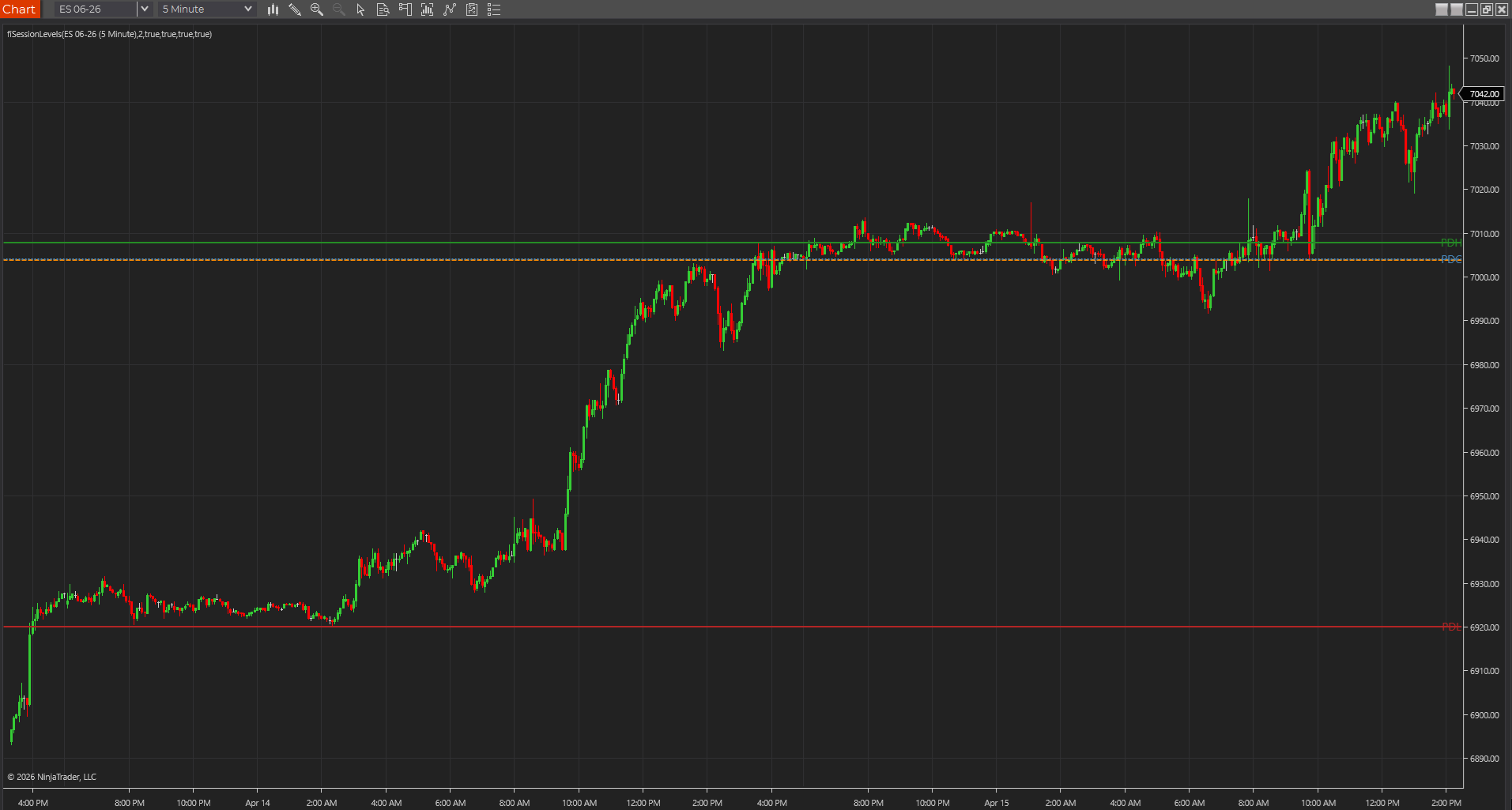
A futures support-and-resistance stack should begin with one main location framework, not with every available line type. For many traders that means prior-session levels or a clean higher-time-frame reference.
- The first map should answer where price is relative to the most important visible structure.
- If the chart starts with four overlapping maps, the stack is already too heavy.
- Primary context should earn its place before secondary lines arrive.
Add one projected framework only if it changes the read
Pivots, gaps, and round numbers can all help, but they should be supporting layers instead of equal partners. The point is to improve the read, not to prove how many references fit on one screen.
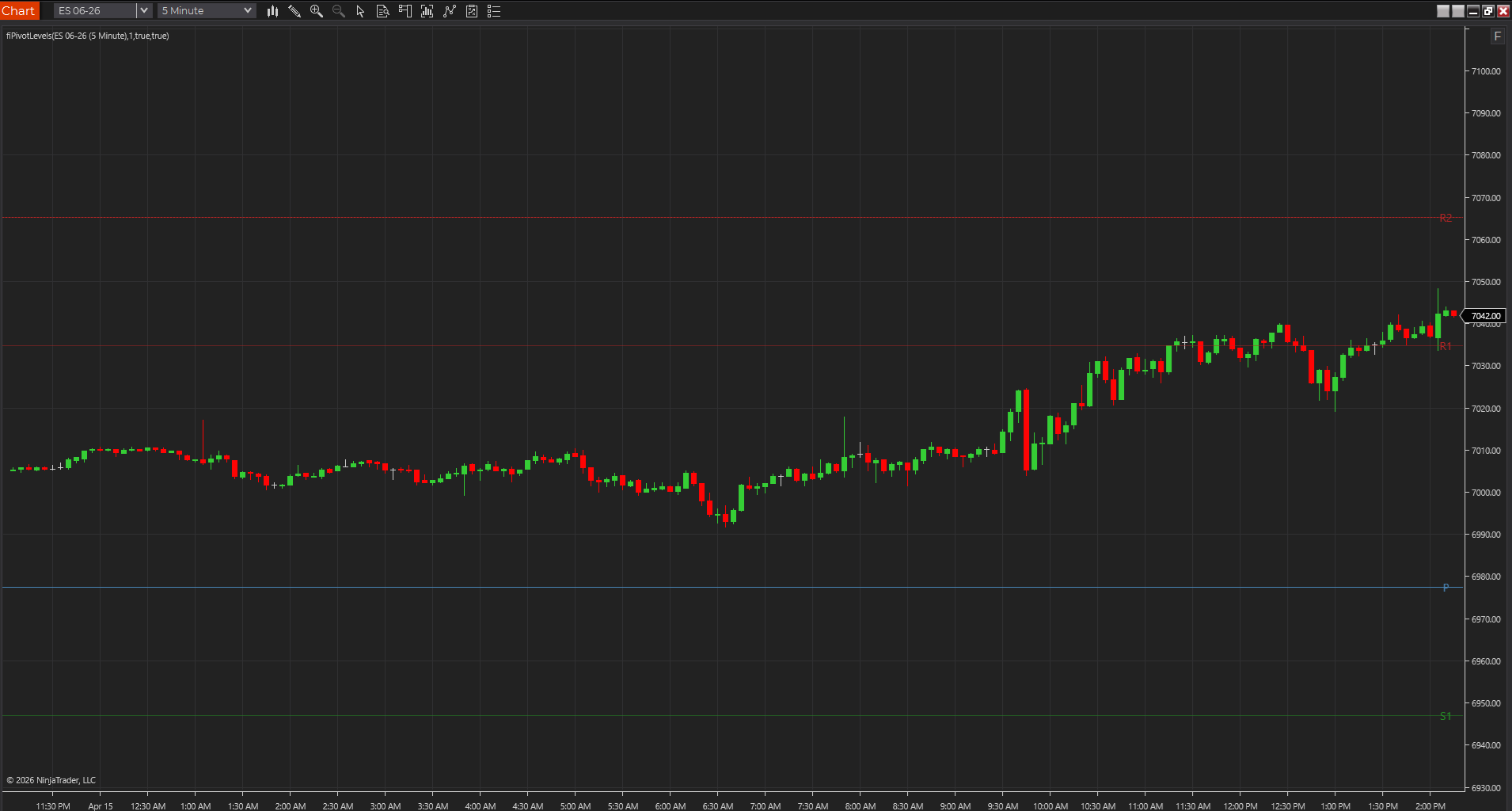
- Pivots help when a projected session ladder matters.
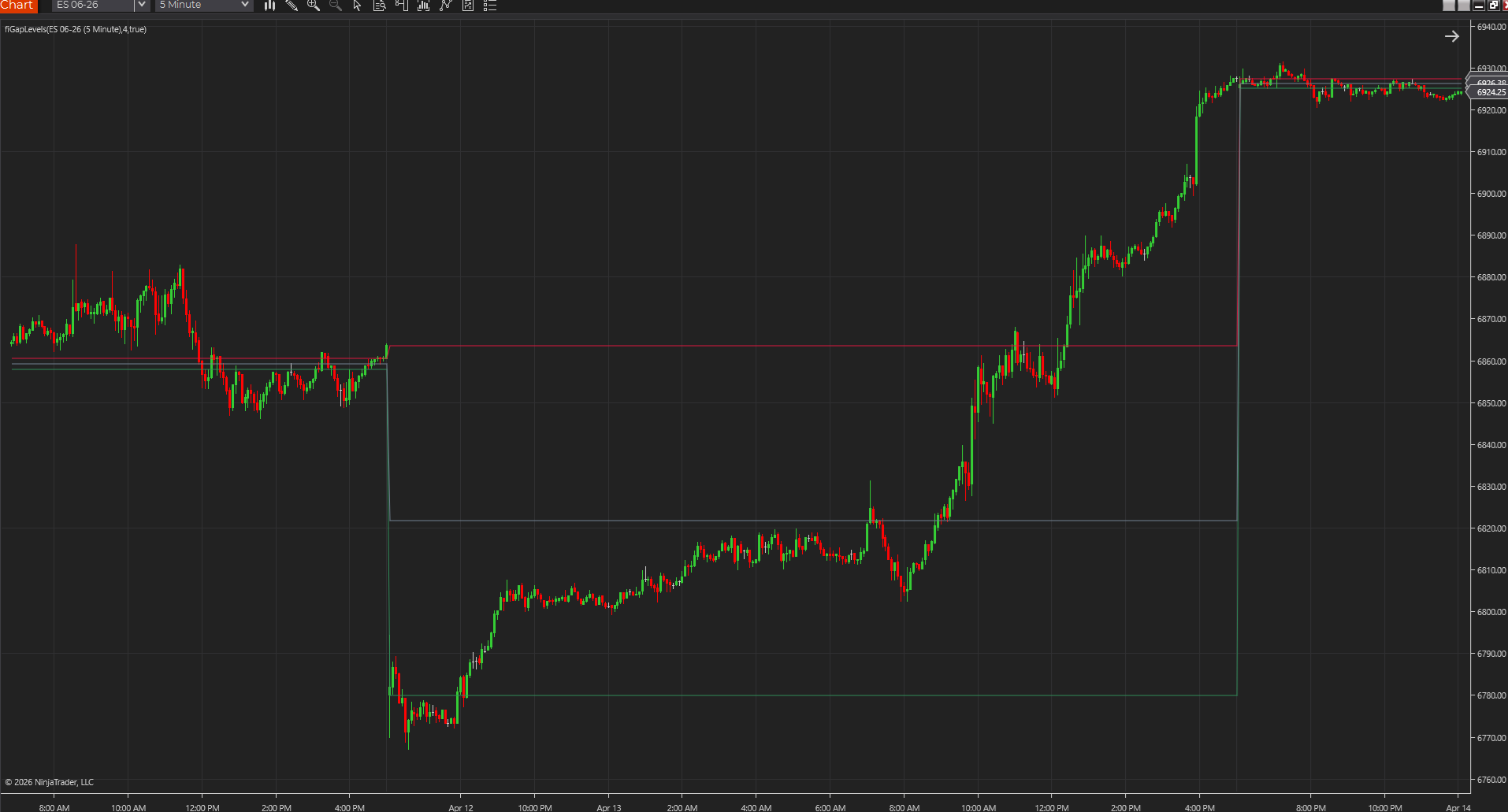
- Gap levels help when overnight displacement is driving the open.
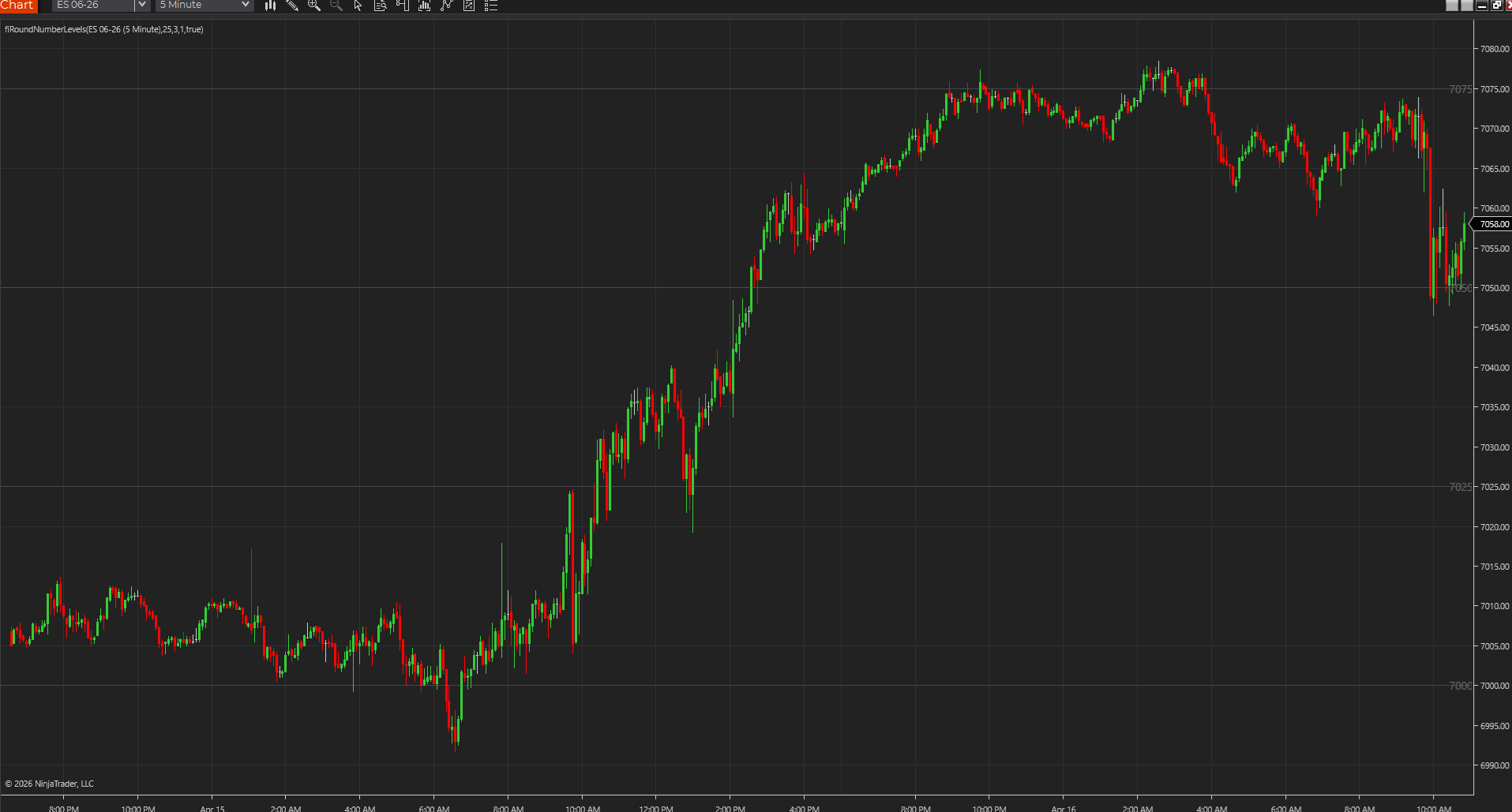
- Round numbers help most when they overlap with stronger references.
Keep higher-time-frame references sparse
Weekly or monthly references can be useful, but only if they act like real anchors. Too many broad lines turn the chart into a historical archive instead of a trading tool.
- Use only the higher-time-frame references that still matter to the current session.
- A few meaningful anchors beat a dense stack of broad levels.
- This is where restraint improves trust.
Use overlap to rank levels
Once the stack is built, the job is not to treat every level equally. The job is to rank them. Overlap between session structure, pivots, gaps, and higher-time-frame context usually creates the levels worth respecting most.
- Confluence matters more than quantity.
- A level cluster should simplify focus, not multiply it.
- That is how a support-and-resistance stack stays usable in real time.
Remove the weakest layer first
If the chart still feels cluttered, remove the layer that changes the read least. A good stack is easier to read after each addition, not harder.
- Round numbers are often the first layer to demote if they are not adding much.
- Projected levels should be kept only if they are helping session preparation.
- The best stack is the smallest one that still answers the day's location question.
A strong level stack should make ranking easier, not make every level feel equally sacred
This is where a lot of support-and-resistance charts go off track. Traders add more context in the hope of feeling more certain, but the result is a screen where every line looks important and none of them are easy to prioritize. A better stack makes the hierarchy clearer. It helps you tell which level cluster matters most right now and which references are only background context.
- More levels are only helpful if they sharpen priority.
- If everything looks important, the stack is already too democratic.
- The best support-and-resistance stack creates clearer focus, not more visual respect for every line.
Best next reads
These pages pick up the questions most readers usually have next, so you do not have to back out and start a fresh search.
Frequently asked questions
How many support and resistance tools should be on a futures chart?
Usually only a few. One primary map, one supporting framework, and a small number of higher-time-frame anchors is enough for many traders.
What should come first in a support and resistance stack?
Usually the clearest primary location map, such as prior-session references or higher-time-frame levels, before pivots, gaps, or round numbers are added.
When does a level stack become too crowded?
When the chart gets slower to read after the levels are added, or when too many lines seem equally important.
What should I remove first when too many levels overlap?
Usually the layer that changes the read the least. If round numbers, projected levels, or older higher-time-frame lines are not helping you rank current location better, they are often the first candidates to trim.