Guide walkthrough
Start reading here
This is the main article body, where the page shifts from summary cards into the actual workflow and decision-making notes.
On this page
Key terms for this guide
These glossary pages cover the ideas and platform language most likely to matter as you work through this guide.
Intraday traders need levels that matter now
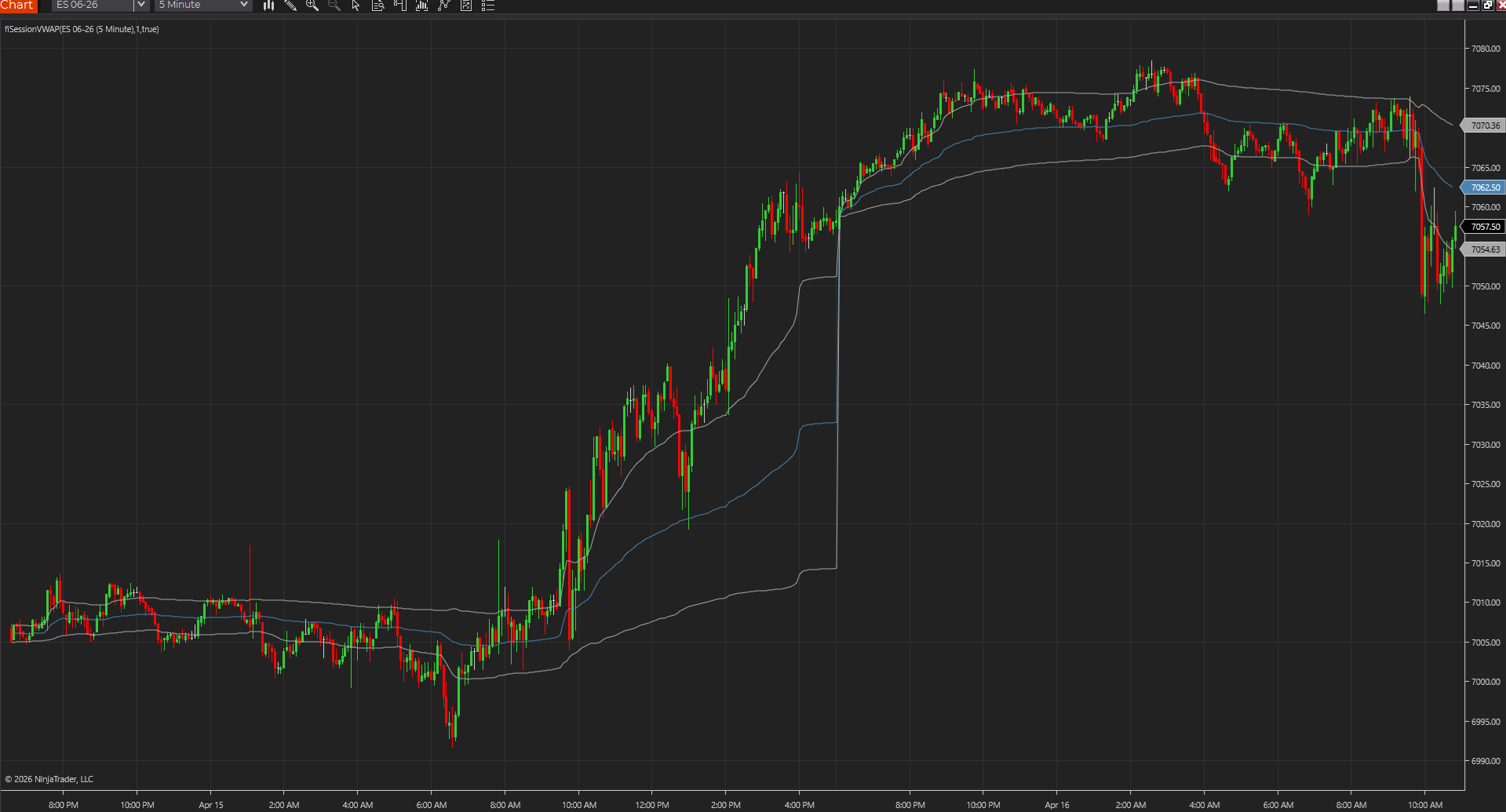
The best intraday support and resistance indicators help you orient the current session quickly. That usually means a small set of prior-session references, opening context, and one or two broader structure layers.
Session references are often the cleanest start
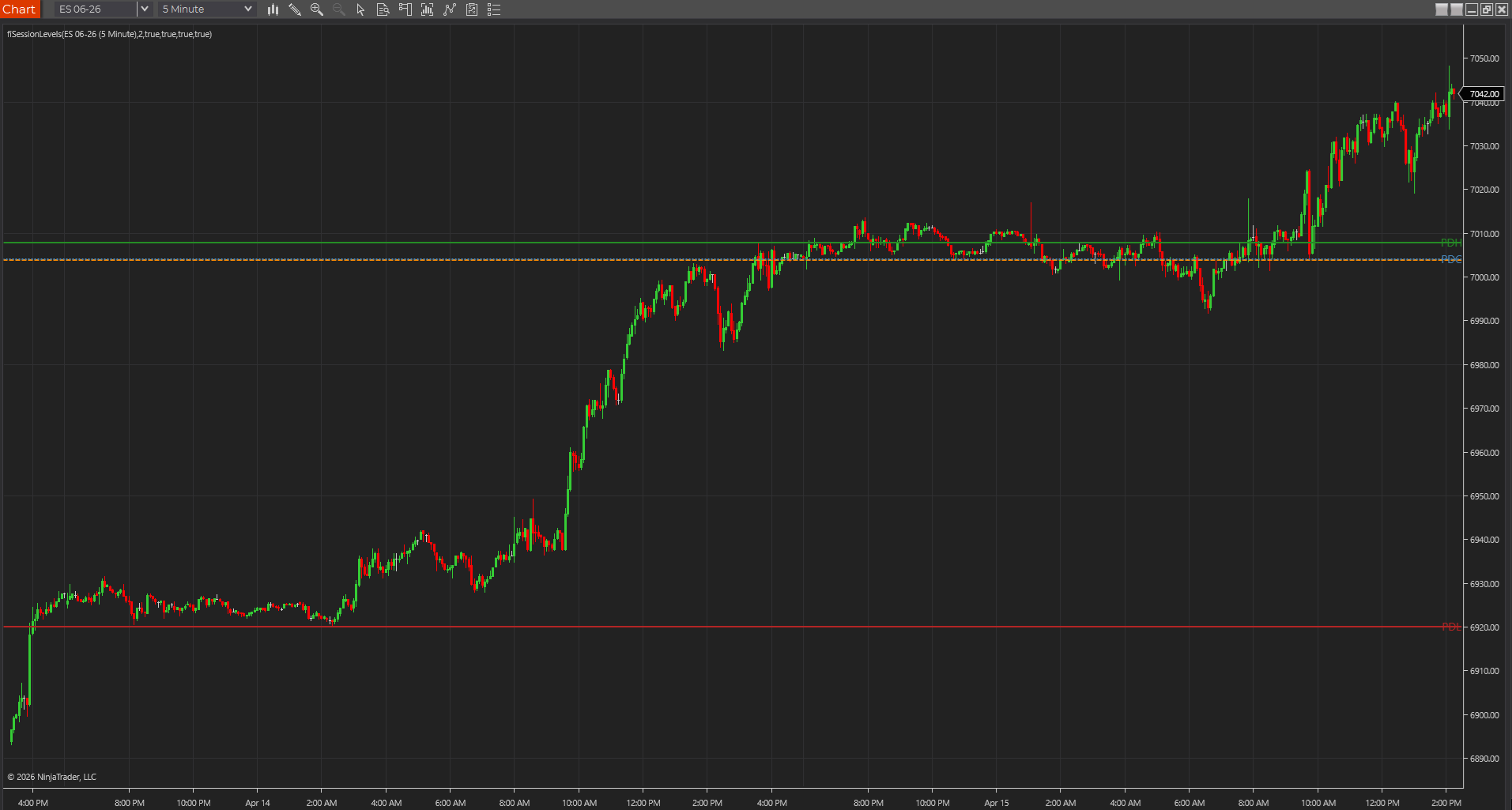
Prior-session highs, lows, opens, and closes tend to be more useful intraday than a dense stack of derived levels because they show actual prices that traders already reacted to.
Use pivots and round numbers as support layers
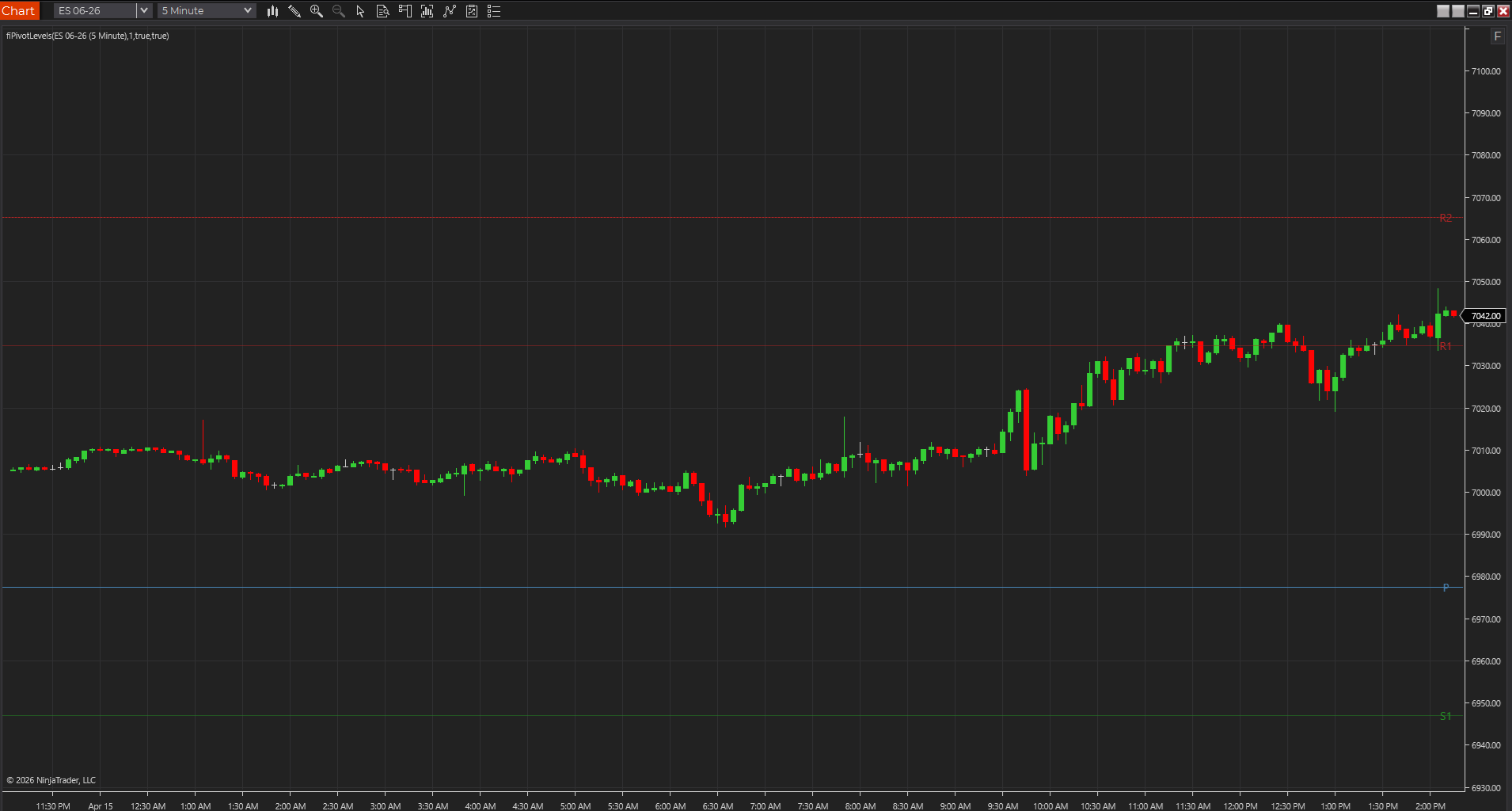
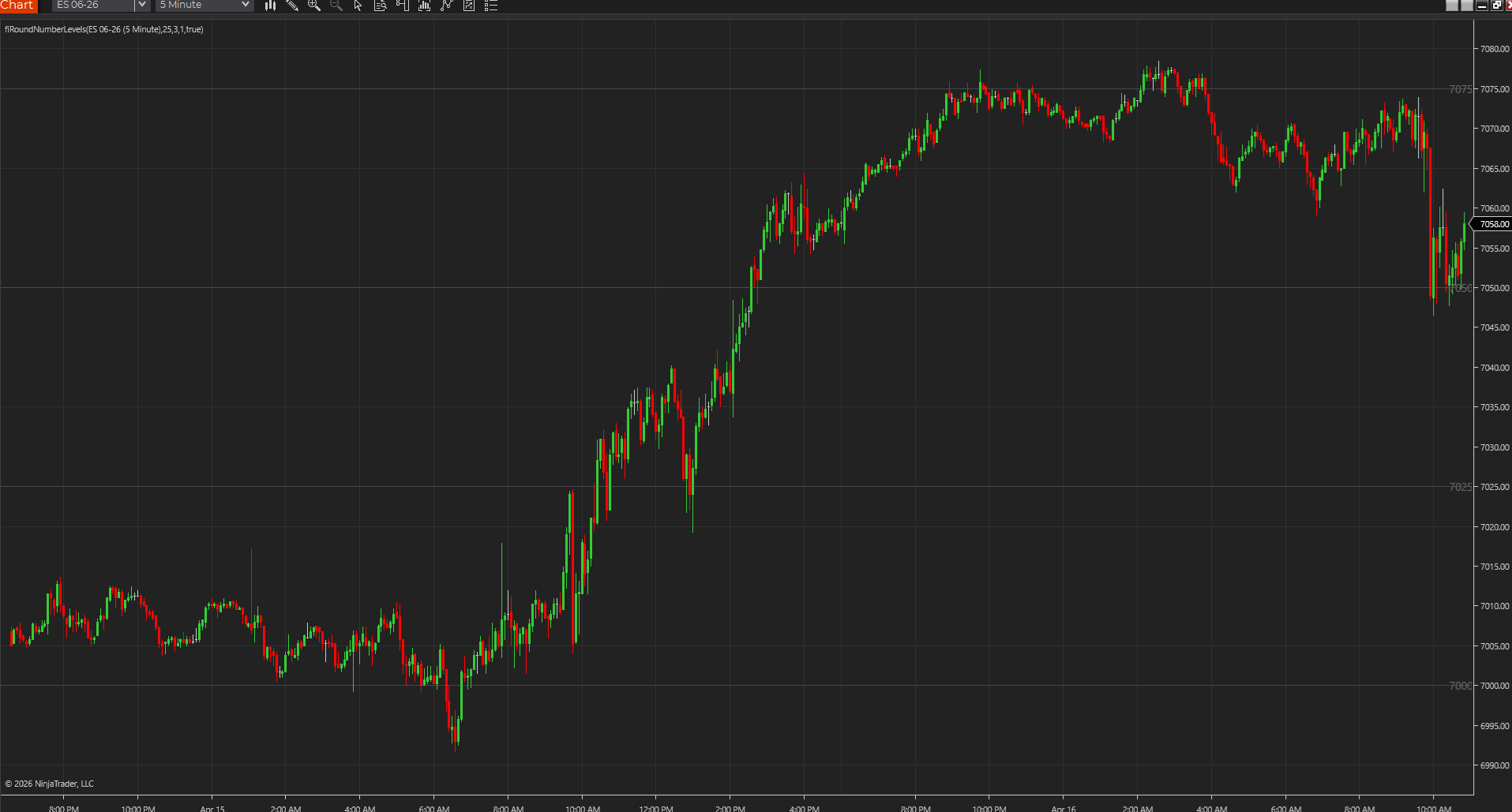
Pivots and round numbers are strongest when they overlap with session structure or obvious chart location. They become less useful when treated like independent decision engines.
Keep the map light enough to trade from
A clean intraday chart is usually more useful than a complete one. If you need to think too hard about which of ten horizontal lines matters, the levels stack is probably doing too much.
Best next reads
These pages pick up the questions most readers usually have next, so you do not have to back out and start a fresh search.