Guide walkthrough
Start reading here
This is the main article body, where the page shifts from summary cards into the actual workflow and decision-making notes.
On this page
Prior-day levels are the closest location map
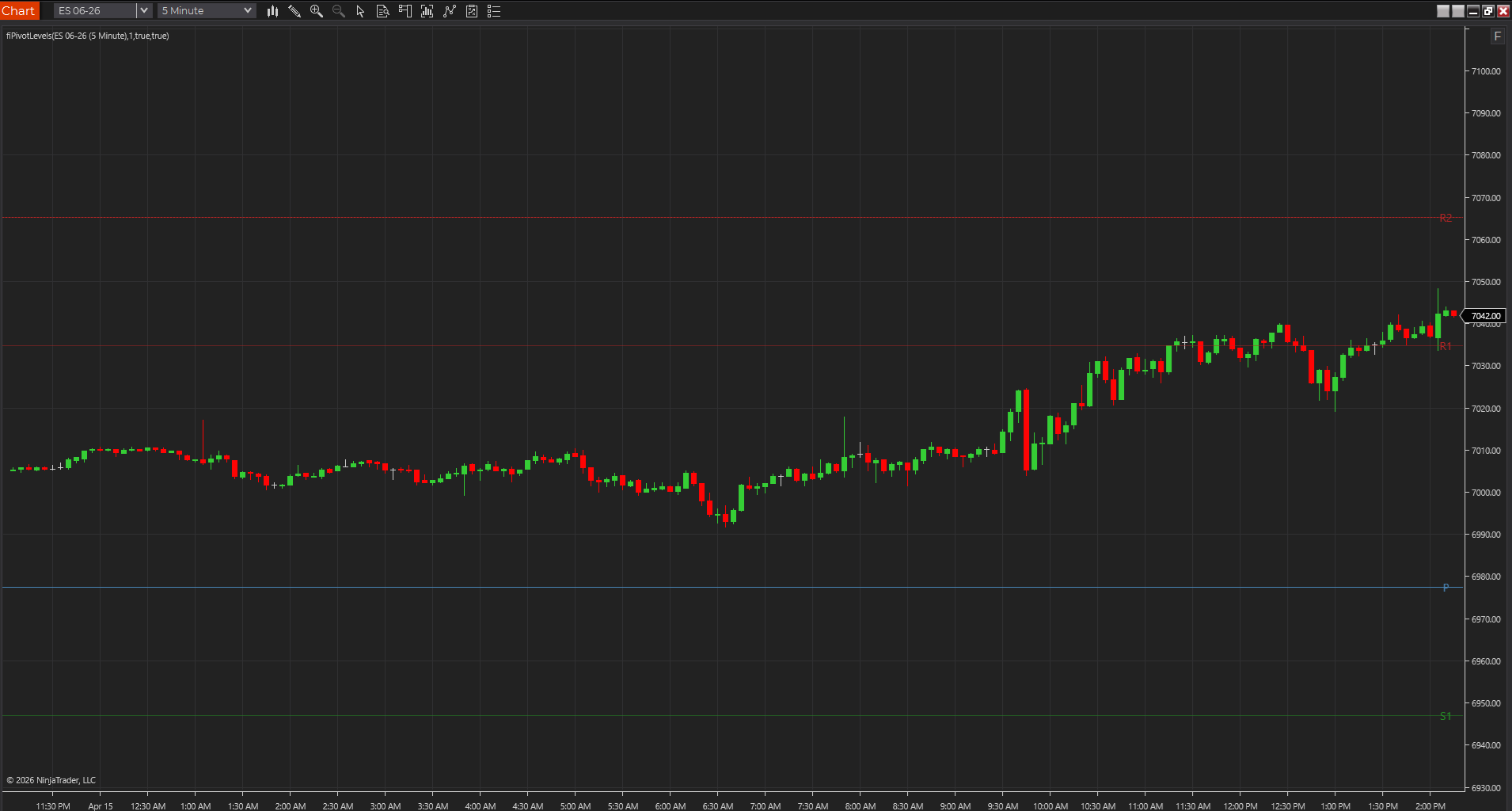
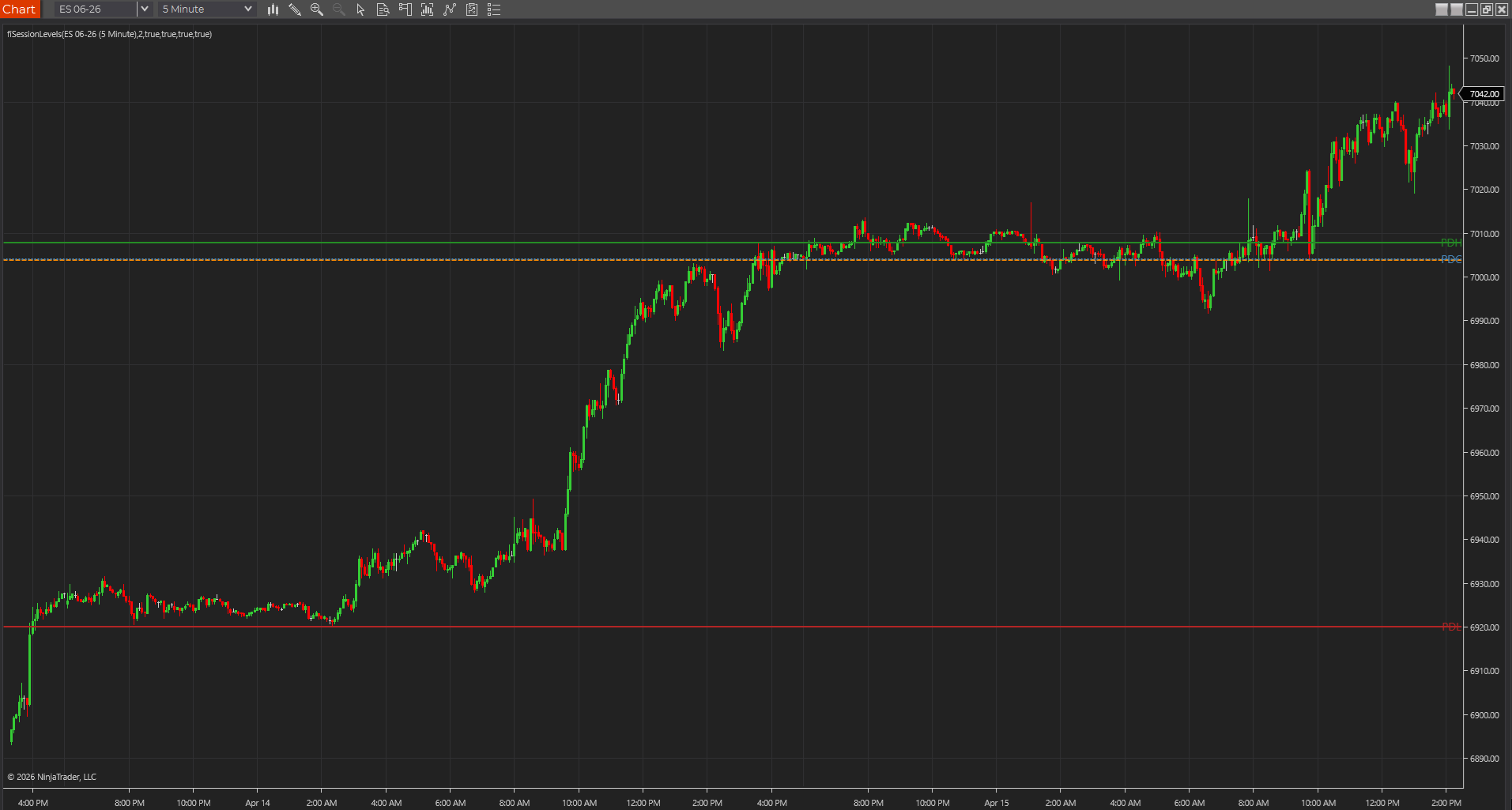
Prior-day high, low, open, close, and session references usually give futures traders the most immediate map. They are close enough to matter during the next session and simple enough to read without turning the chart into a research project.
- Use them first when preparing for the current session.
- They are especially useful around the open and first major rotation.
- They should be checked against the correct session template.
Weekly levels help rank broader pressure
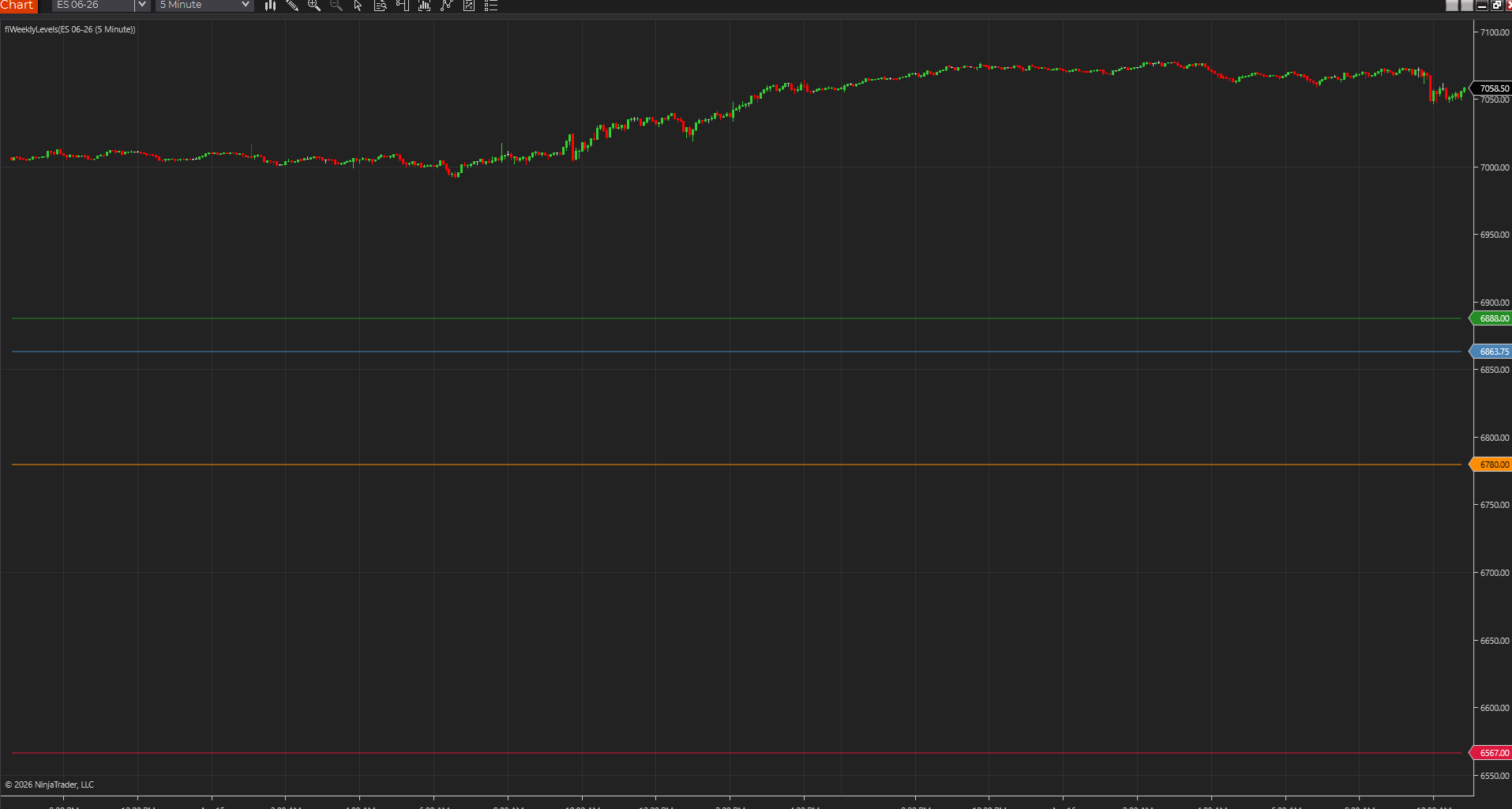
Weekly levels are useful when the current session is trading near a bigger reference or when the week has created a clear range. They should not replace prior-day context, but they can help rank which nearby levels deserve more respect.
- Use weekly levels as broader anchors.
- Keep only the references still close enough to affect the current market.
- Weekly context is strongest when it overlaps with active session structure.
Monthly levels should be sparse and deliberate
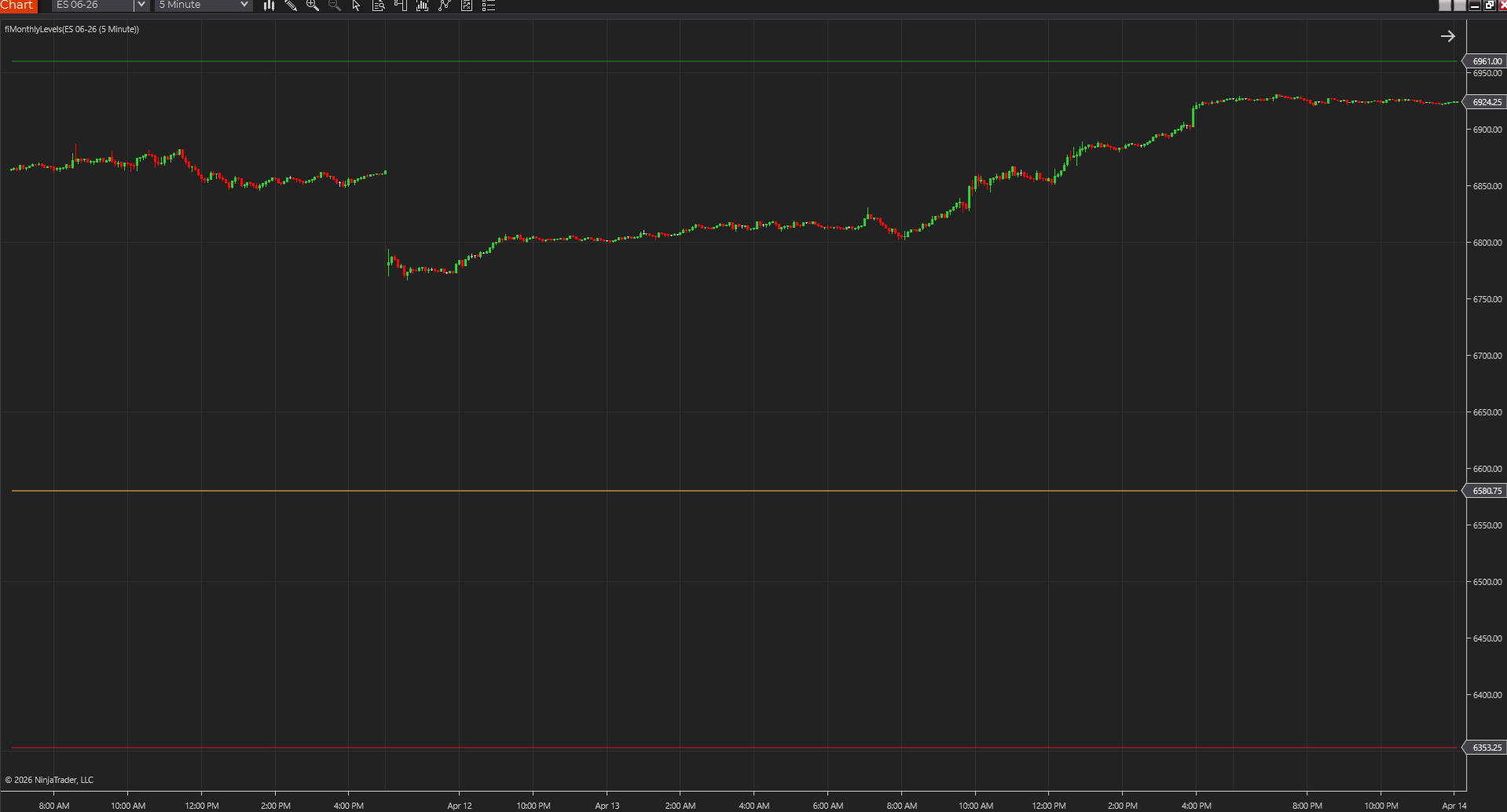
Monthly levels can matter, but they are usually too broad to keep every line visible on an intraday chart. They work best as selective context around major highs, lows, opens, or range boundaries.
- Use monthly references only when price is close enough for them to matter.
- Avoid treating old monthly levels as equally important background lines.
- Monthly context should simplify priority, not add historical clutter.
The best level stack ranks distance and timeframe together
A useful futures level stack does not treat every prior-day, weekly, and monthly line equally. It ranks the nearest practical references first, then uses higher-time-frame levels to identify bigger collision zones.
- Start with the current session and prior day.
- Add weekly context when it changes the read.
- Add monthly context only around major areas where it could affect behavior.
Best next reads
These pages pick up the questions most readers usually have next, so you do not have to back out and start a fresh search.
Frequently asked questions
Should prior-day levels come before weekly and monthly levels?
Usually yes for intraday futures work. Prior-day levels are closer to the current auction, while weekly and monthly levels are broader context layers.
How many weekly or monthly levels should be visible?
Only the ones that still matter to the current chart. If broad levels make the chart slower to read, the stack is too crowded.
Can higher-time-frame levels replace session levels?
Not usually. Higher-time-frame levels help rank bigger areas, but session and prior-day levels usually give the more practical intraday map.