Guide walkthrough
Start reading here
This is the main article body, where the page shifts from summary cards into the actual workflow and decision-making notes.
On this page
Key terms for this guide
These glossary pages cover the ideas and platform language most likely to matter as you work through this guide.
The best futures platform is usually the one that fits your decision speed and chart routine
For futures day traders, the platform choice matters because it shapes the rhythm of the whole session. The right answer usually depends less on brand and more on whether the charting, execution, and indicator workflow support fast but repeatable decisions before, during, and after the open.
- Platform fit changes how a session feels in real time.
- That affects both speed and discipline.
- So the daily routine is the right comparison lens.
NinjaTrader often becomes the strongest answer when desktop depth and futures fit matter most
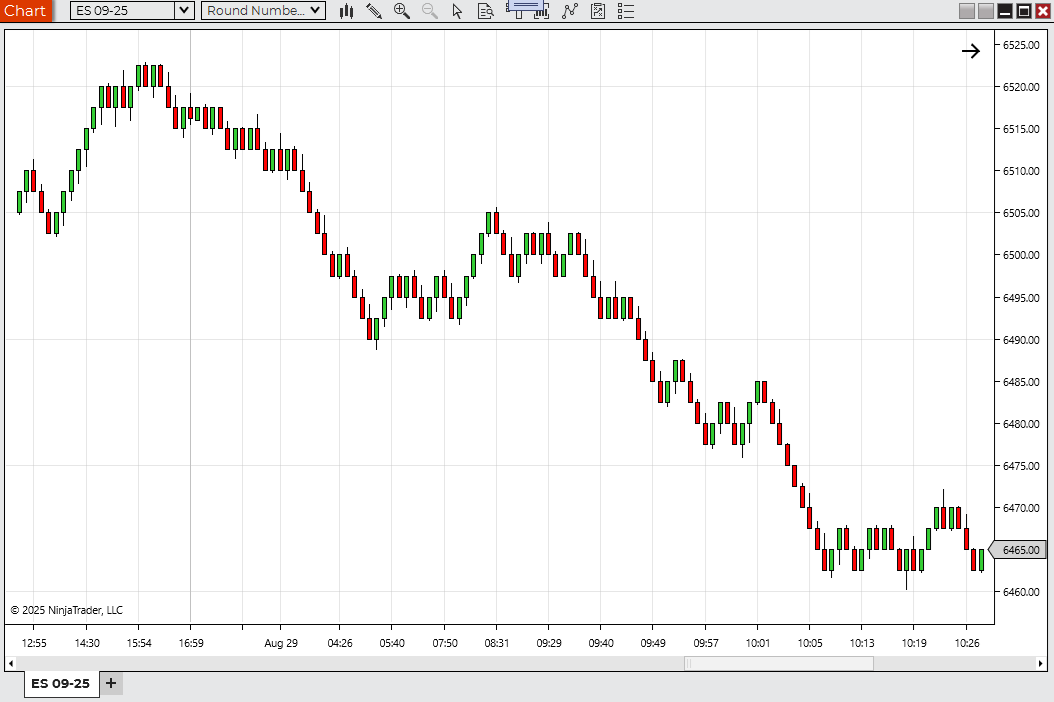
NinjaTrader usually makes the strongest case when the trader wants a futures-centered desktop workflow with room for more serious platform-specific customization. That is part of why so much of this site's tool depth naturally leans in that direction.
- The futures workflow fit is a real strength.
- Custom indicator and strategy paths also feel more natural there.
- That makes NinjaTrader a serious answer for committed futures traders.
TradingView stays attractive when speed, accessibility, and chart iteration matter more
TradingView still matters for futures traders because plenty of people want faster chart access, easier layout management, and a lower-friction way to work through ideas. That can make it the better answer when the workflow is more chart-first than platform-deep.
- Chart access and iteration speed are genuine advantages.
- That matters for traders who value simplicity over depth.
- TradingView can be the better fit when that is the priority.
The platform choice should match what you expect to build later
One of the best ways to choose is to ask what the workflow is likely to become. If the answer includes custom indicators, deeper alerts, or desktop-specific tools, one platform may pull ahead. If the answer is cleaner charting and faster idea testing, another may fit better.
- Future workflow shape is a powerful decision filter.
- It often clarifies the platform choice faster than feature grids do.
- That usually leads to a better long-term match.
The wrong platform usually reveals itself through small daily friction
Most traders do not realize they picked the wrong platform because of one dramatic problem. They realize it because the routine starts feeling heavier than it should. Layout changes take too long, order-entry habits feel awkward, or testing a simple indicator idea becomes annoying. In futures trading that kind of friction compounds fast because the work is repetitive and time-sensitive.
- Small workflow annoyances matter more than feature lists suggest.
- The best platform usually feels easier to repeat, not just nicer to demo.
- That makes routine friction a better test than broad marketing claims.
Best next reads
These pages pick up the questions most readers usually have next, so you do not have to back out and start a fresh search.
Frequently asked questions
What is the best platform for futures day traders?
It depends on the workflow. NinjaTrader often fits futures-focused desktop workflows well, while TradingView can be stronger for faster chart access and lighter charting routines.
Should futures day traders choose based on execution or indicators?
Choose based on the full workflow. Indicators, chart access, execution habits, and how deeply you expect to customize the setup all matter.
How can a trader tell if a platform is a bad fit?
Usually by watching the daily routine. If session prep feels clumsy, layout changes are annoying, or testing simple ideas becomes more work than it should be, the platform may be fighting the workflow instead of supporting it.
What should futures day traders compare before switching platforms?
Compare charting speed, order-entry comfort, indicator workflow, session-planning fit, and whether the platform still makes contract size and risk decisions easy to repeat under pressure.
What if my search is really for futures charting software?
Use the charting-software guide when the screen and layout question matters more than the full platform routine. Use this page when the bigger choice is the best day-trading platform for the whole workflow.