Guide walkthrough
Start reading here
This is the main article body, where the page shifts from summary cards into the actual workflow and decision-making notes.
On this page
Key terms for this guide
These glossary pages cover the ideas and platform language most likely to matter as you work through this guide.
The best futures platform is the one that supports your actual indicator workflow
Futures traders often compare platforms as if the choice should be settled by one headline feature. In practice, the better platform is the one that makes your indicator workflow easier to build, test, install, and actually trust during live decision-making.
- Chart feel matters.
- Scripting workflow matters.
- Install friction and long-term customization matter too.
NinjaTrader is strong when the workflow is futures-specific and desktop-centered
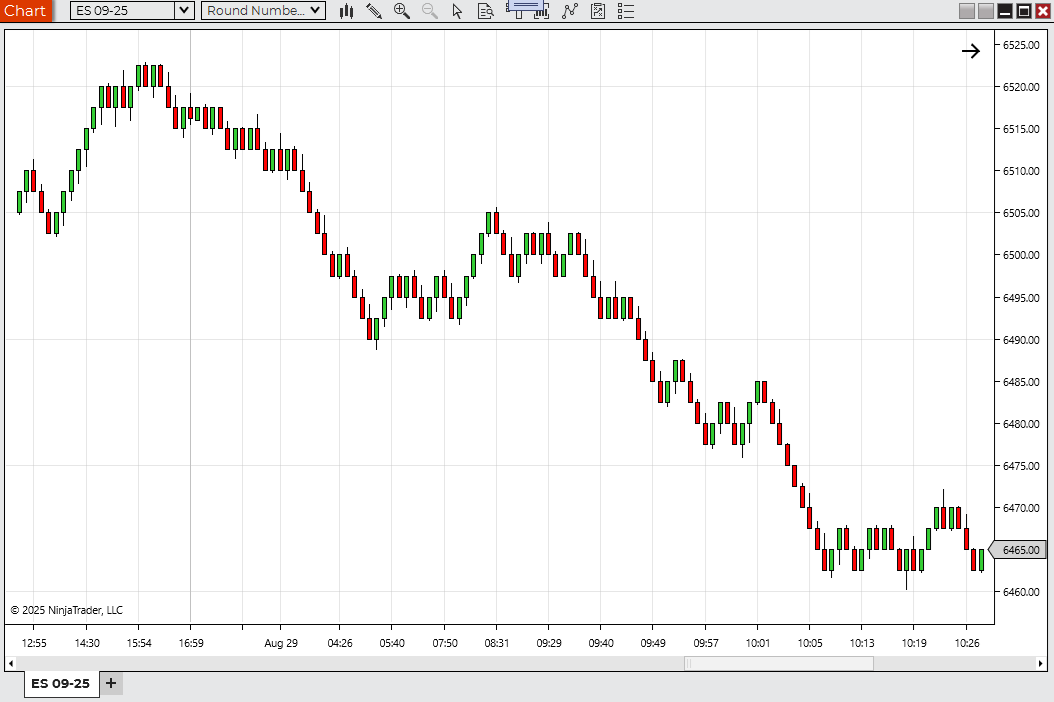
For many futures traders, NinjaTrader becomes the default recommendation because the platform fit is already so close to the daily routine. When the workflow is NT8-centered, indicator pages and setup guides on this site naturally become more useful too.
- NinjaTrader often feels strongest when the trader already thinks in NT8 terms.
- The platform can become even more compelling when future customization is likely.
- That makes it especially attractive for traders building a long-lived futures workflow.
TradingView is strong when speed and chart iteration matter more than platform depth
TradingView deserves a serious place in the futures conversation because browser-based charting and Pine Script can make idea testing much faster. For many discretionary traders, that speed matters more than deeper platform-specific workflows.
- It can be easier to test a chart idea quickly on TradingView.
- The workflow is lighter for many users.
- That makes it a strong futures-charting choice even when it is not the final answer for everyone.
The right choice depends on the kind of futures trader you are
A futures trader who wants a deeper desktop workflow may land on NinjaTrader. A trader who wants fast, transparent chart iteration may lean toward TradingView. A trader already rooted in TradeStation or MultiCharts may reasonably stay there. The strongest decision is the one that matches the workflow you will actually keep using.
- Choose the platform that keeps the indicator workflow honest.
- Choose the platform that fits your trading routine, not just your curiosity.
- Use the comparison pages on this site to narrow that decision with less guesswork.
The best platform usually becomes obvious when you picture the weekly maintenance
A lot of platform comparisons stay stuck in the first impression stage: which charts look cleaner, which scripting language seems nicer, which screenshots feel more exciting. A better test is to imagine the weekly routine. Which platform do you actually want to keep editing on, testing on, and cleaning up after a few months? That question often reveals the real fit faster than any headline feature list.
- Weekly maintenance is often the clearest platform test.
- The better fit usually feels easier to keep tidy and trustworthy.
- That is what turns a preference into a durable workflow choice.
The better futures platform is usually the one that keeps your chart questions cleaner
A strong platform does not just host indicators well. It helps you ask better questions about trend, location, timing, and risk without the workspace getting in the way. If a platform makes those questions clearer week after week, it is probably a better long-term home than one that only feels exciting during setup.
- Cleaner chart questions create better platform decisions.
- Excitement during setup is weaker evidence than routine clarity.
- That keeps this page grounded in trading use instead of platform fandom.
Best next reads
These pages pick up the questions most readers usually have next, so you do not have to back out and start a fresh search.
Frequently asked questions
What is the best futures platform for indicators?
There is no universal answer. NinjaTrader is often strong for futures-specific desktop workflows, while TradingView is often strong for faster charting and lighter script iteration.
Should futures traders choose a platform based on the indicators alone?
Usually no. Indicator quality matters, but chart workflow, testing comfort, and long-term platform fit matter just as much.
What is the cleanest tie-breaker between futures platforms?
Look at the maintenance routine. The better fit is usually the platform where chart upkeep, indicator testing, and ordinary weekly edits feel lighter and more repeatable.
How can I tell a futures platform fits my workflow instead of just impressing me at first?
Pay attention to whether it keeps your chart questions clearer over time. If testing, reviewing, and maintaining the stack feel more orderly after the novelty fades, the fit is probably real.
When should I use the futures charting software guide instead of this page?
Use the charting-software guide when the search intent is mostly about screen layout, chart speed, and visual workflow. Use this page when the bigger decision includes scripting, installs, and long-term indicator maintenance.