Guide walkthrough
Start reading here
This is the main article body, where the page shifts from summary cards into the actual workflow and decision-making notes.
On this page
Key terms for this guide
These glossary pages cover the ideas and platform language most likely to matter as you work through this guide.
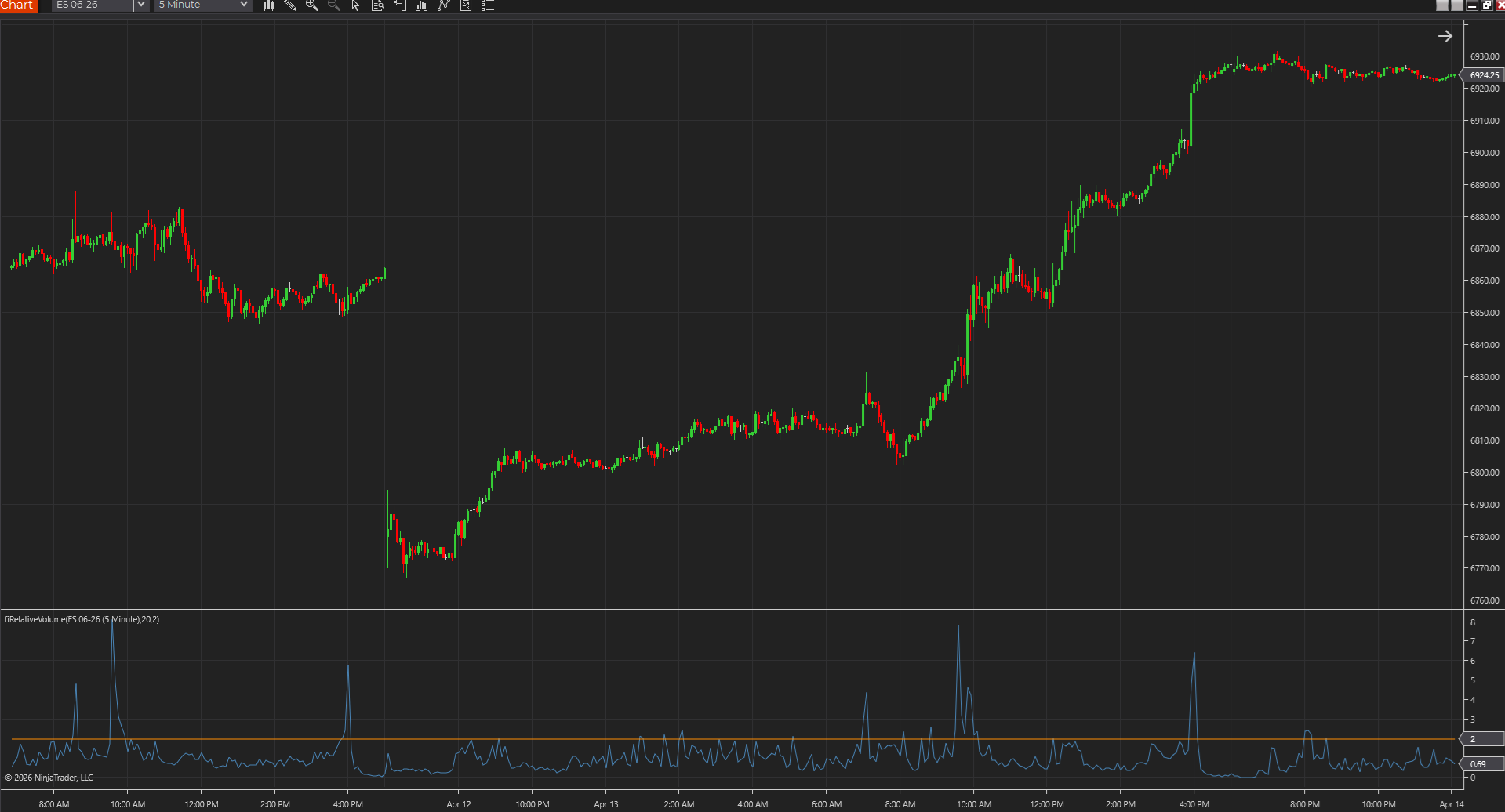
Relative volume is smoother
Relative volume compares the current bar to a recent average, so it gives you a normalized read of participation instead of only flagging the loudest bars.
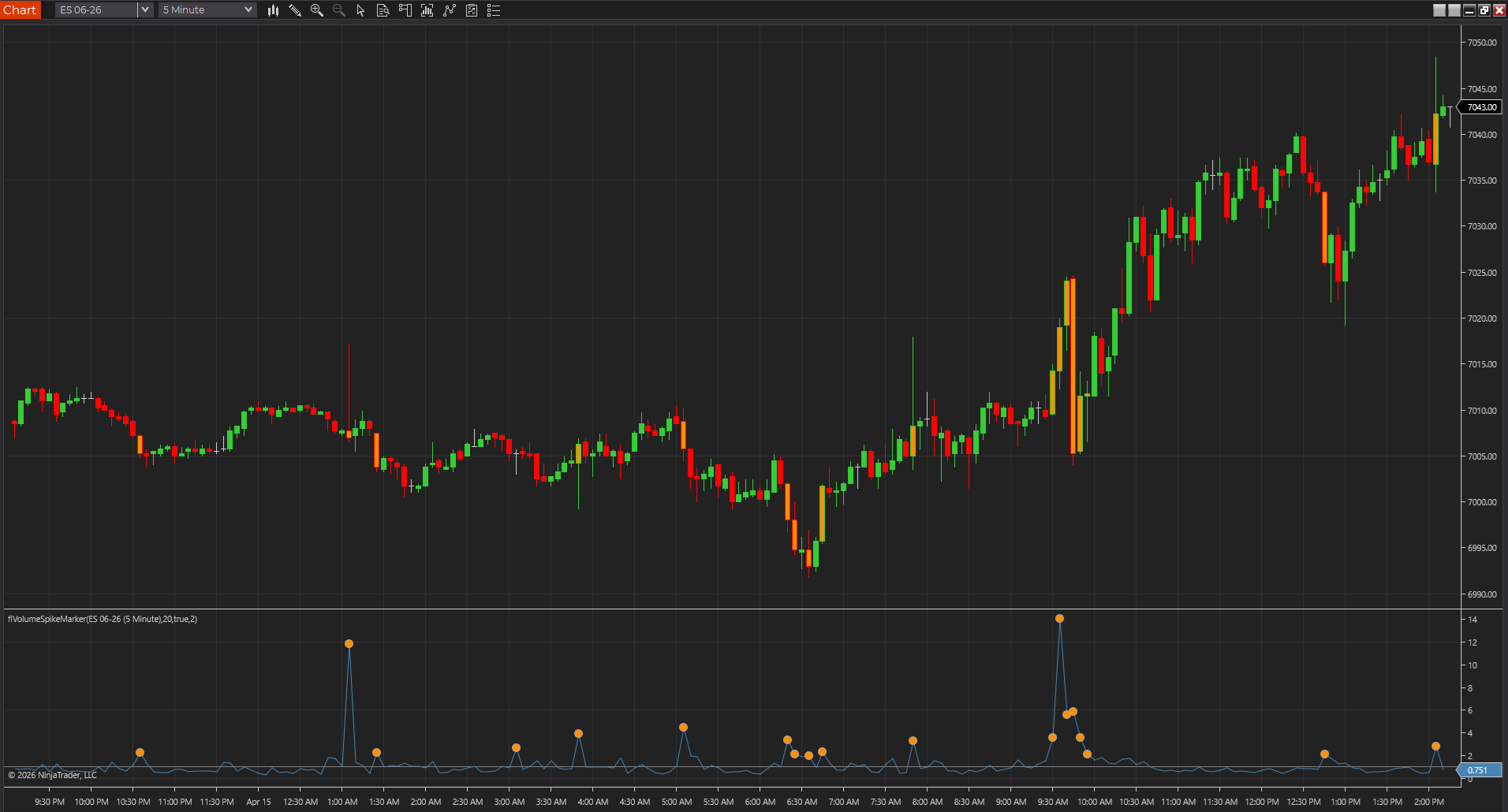
Spike markers are stricter
A spike marker is usually better when you only want the standout bars and do not care as much about the smaller changes between ordinary and elevated participation.
Use relative volume for monitoring and spikes for filtering
Relative volume works well when you want ongoing participation context. A spike marker works better when you want a cleaner yes-or-no filter around breakouts, reversals, or news bars.
Best next reads
These pages pick up the questions most readers usually have next, so you do not have to back out and start a fresh search.