Guide walkthrough
Start reading here
This is the main article body, where the page shifts from summary cards into the actual workflow and decision-making notes.
On this page
Key terms for this guide
These glossary pages cover the ideas and platform language most likely to matter as you work through this guide.
Define the trade lifecycle before coding
An automated strategy request should define the complete trade lifecycle: setup, entry, stop, target, management, exit, cooldown, and when the strategy should stop trading for the day.
- Write entry and exit rules separately.
- Define stops, targets, position sizing, breakeven, and trailing behavior.
- Include daily limits, session cutoffs, and max trade counts.
Collect examples that show yes and no
The best checklist includes examples where the strategy should trade and examples where it should stay flat. Non-trade examples are often more valuable because they reveal hidden filters and assumptions.
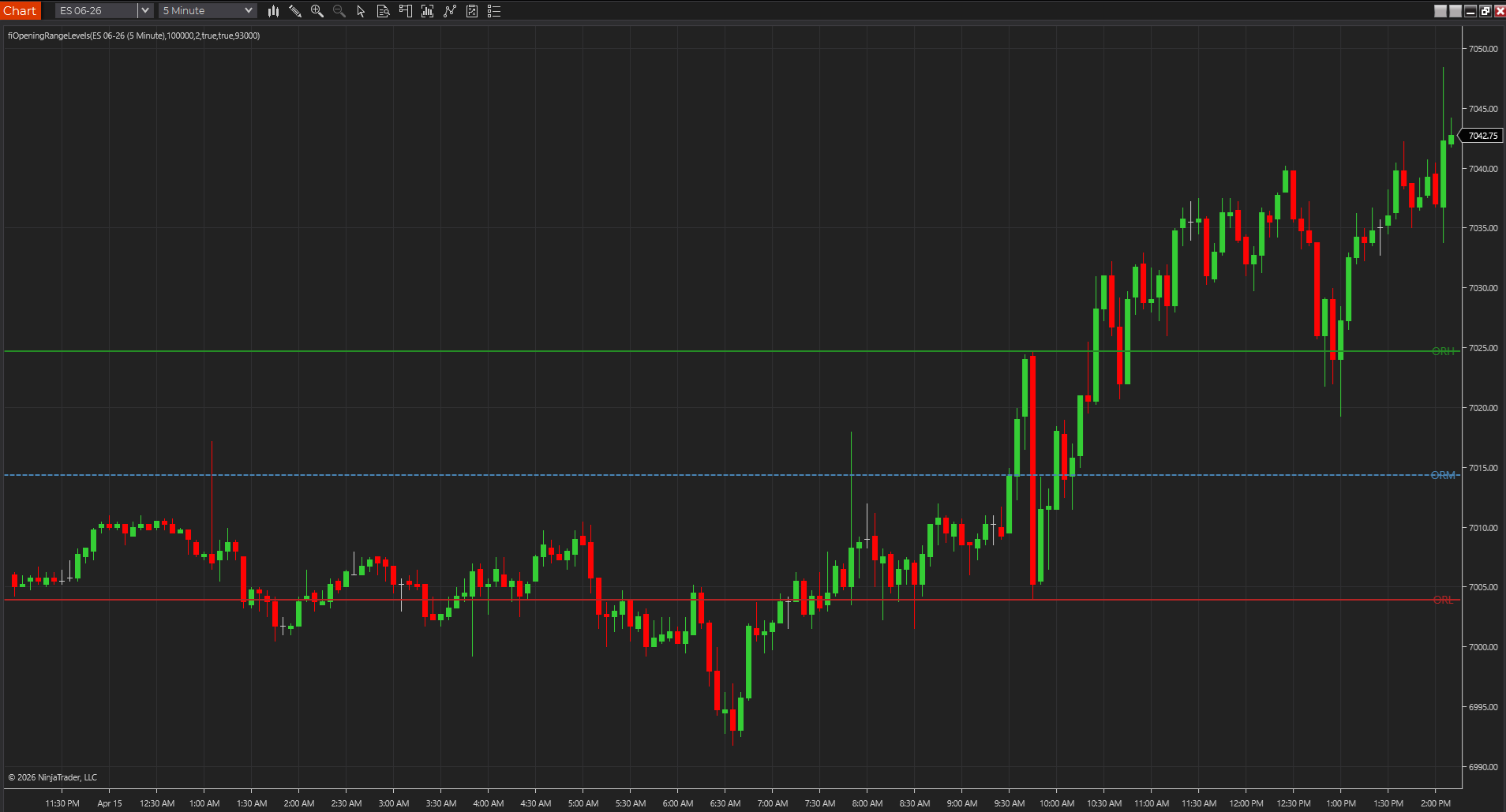
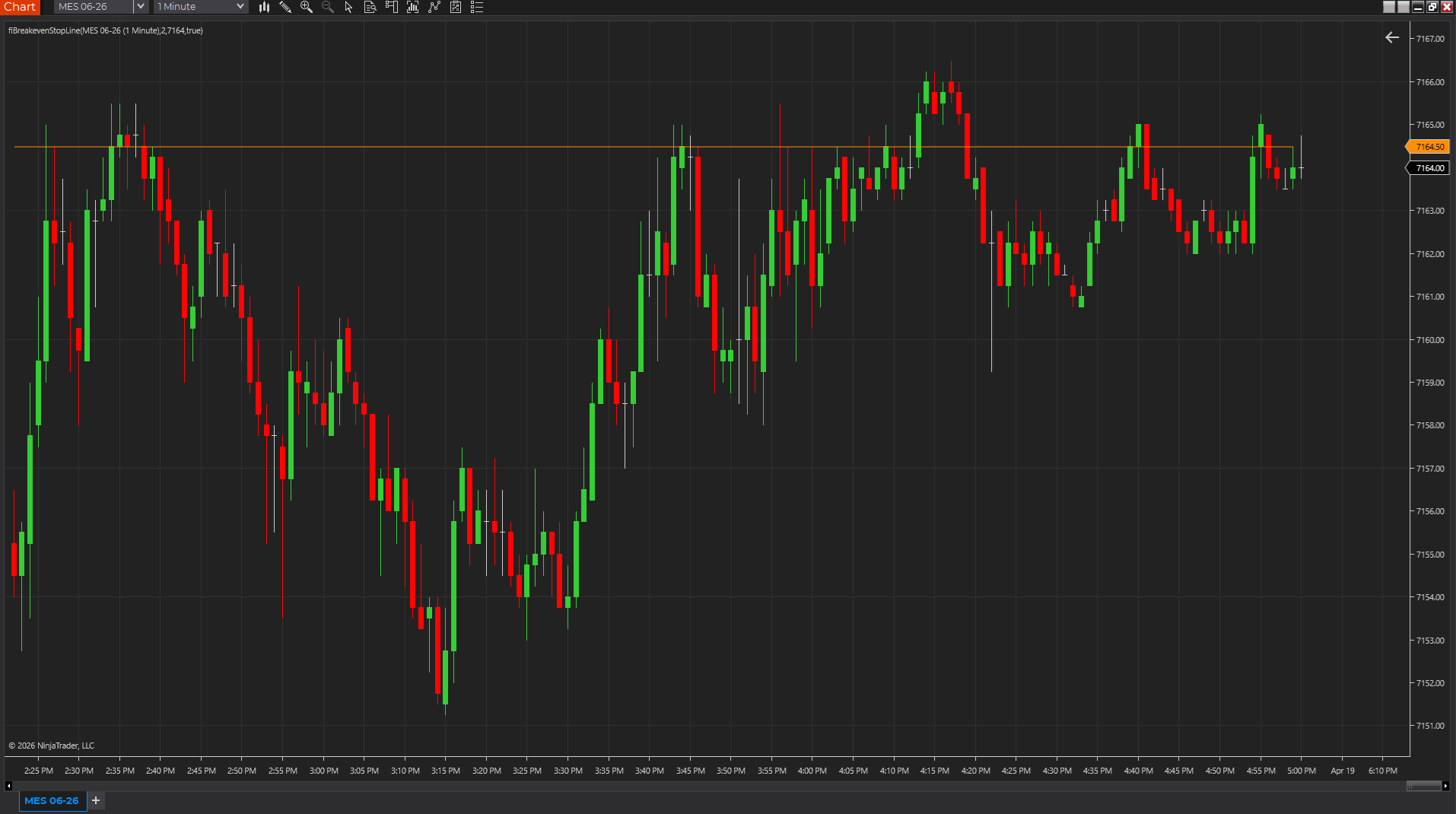
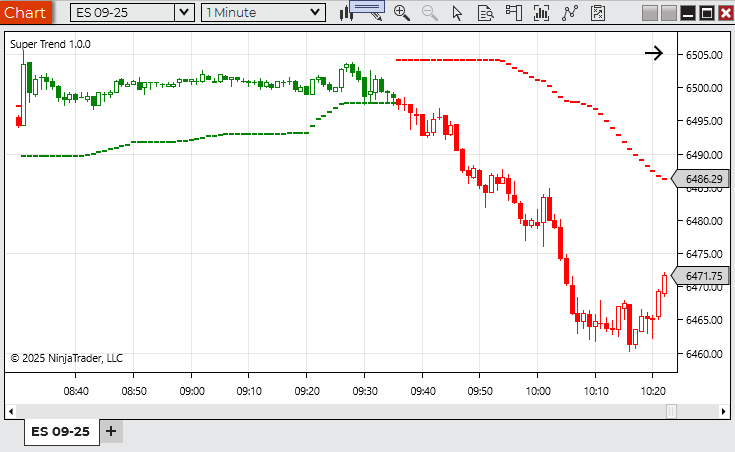
- Capture screenshots of valid entries.
- Capture screenshots of similar setups that should be ignored.
- Use Market Replay to verify timing on completed and live bars.
Separate version one from future improvements
A first automated strategy should be scoped tightly. Extra filters, dashboards, optimization features, and alternate modes can come later after the base behavior is verified.
- Build the smallest testable strategy first.
- Keep optional filters out of version one unless they are essential.
- Use replay and backtest notes to decide the next iteration.
Best next reads
These pages pick up the questions most readers usually have next, so you do not have to back out and start a fresh search.
Frequently asked questions
What belongs in a NinjaTrader automated strategy checklist?
Entry rules, exits, stops, targets, quantity, session rules, max trades, daily limits, replay examples, non-trade examples, and any indicator source used by the strategy.
Should a first automated strategy include every idea I have?
No. A tighter version one is easier to verify. Add optional filters and advanced behavior after the core logic behaves correctly.
Why are non-trade examples important?
They show where the strategy should stay quiet, which is critical for reducing false entries and clarifying filters.