Guide walkthrough
Start reading here
This is the main article body, where the page shifts from summary cards into the actual workflow and decision-making notes.
On this page
Key terms for this guide
These glossary pages cover the ideas and platform language most likely to matter as you work through this guide.
Start with session-aware context
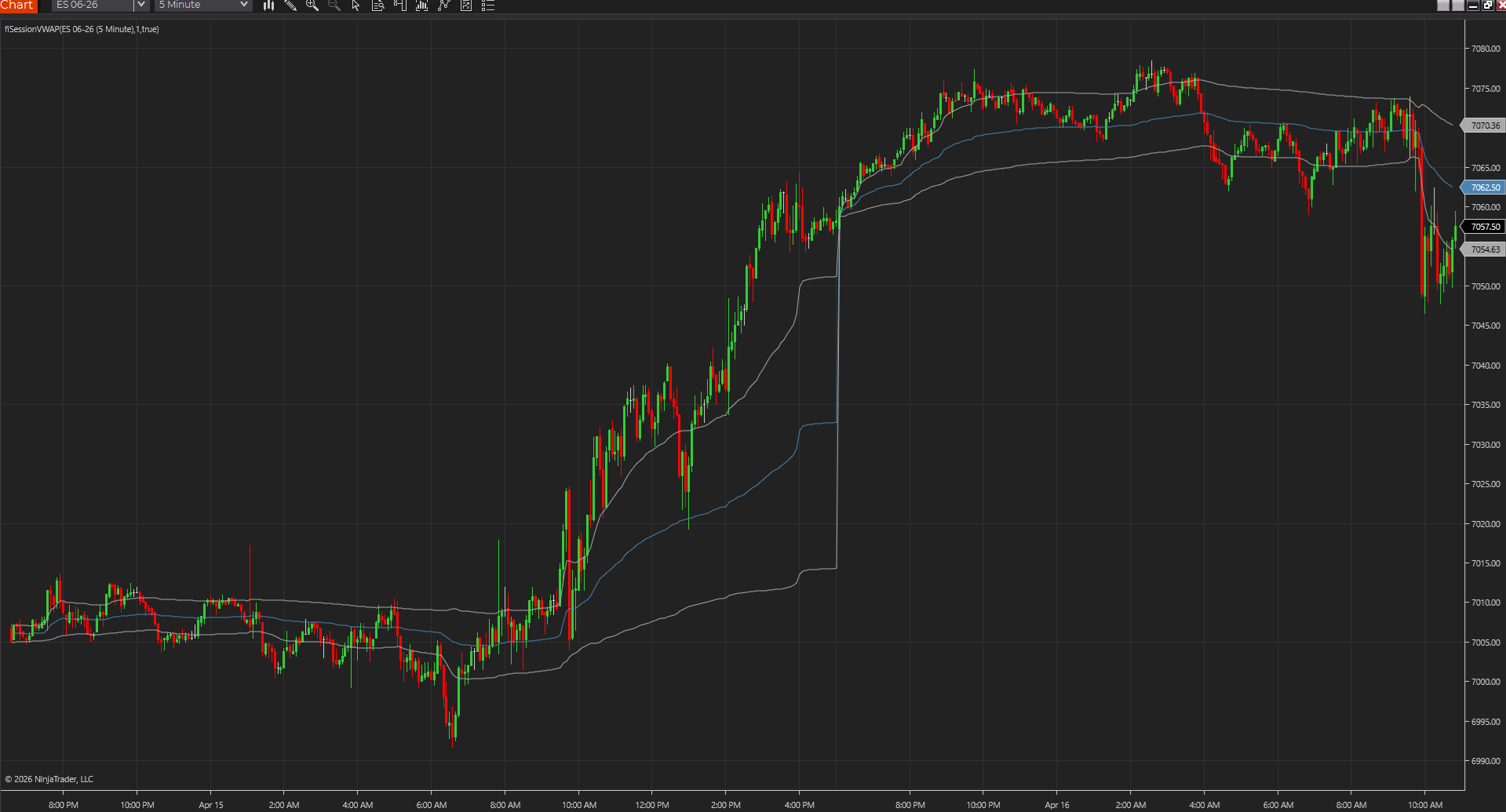
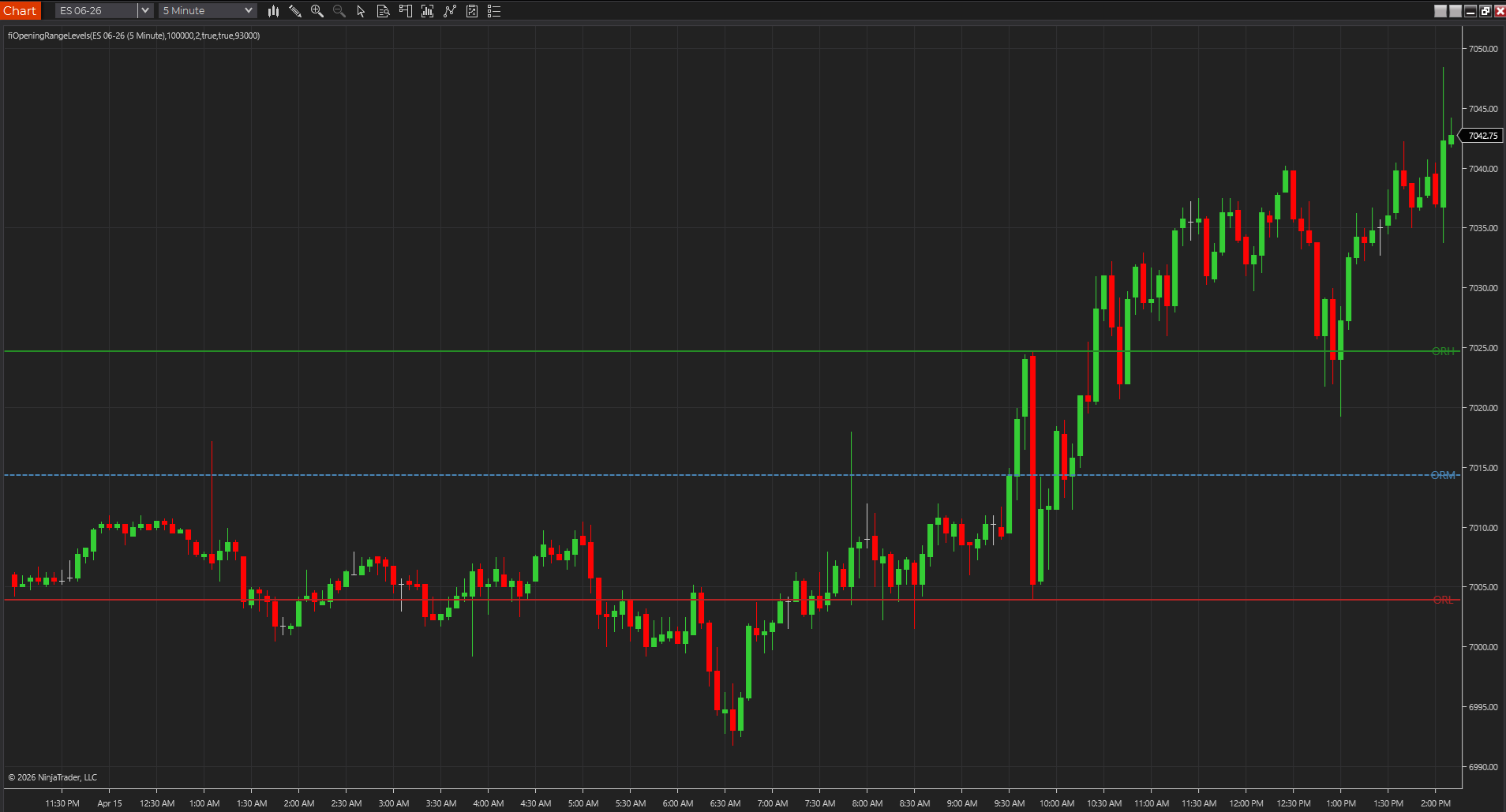
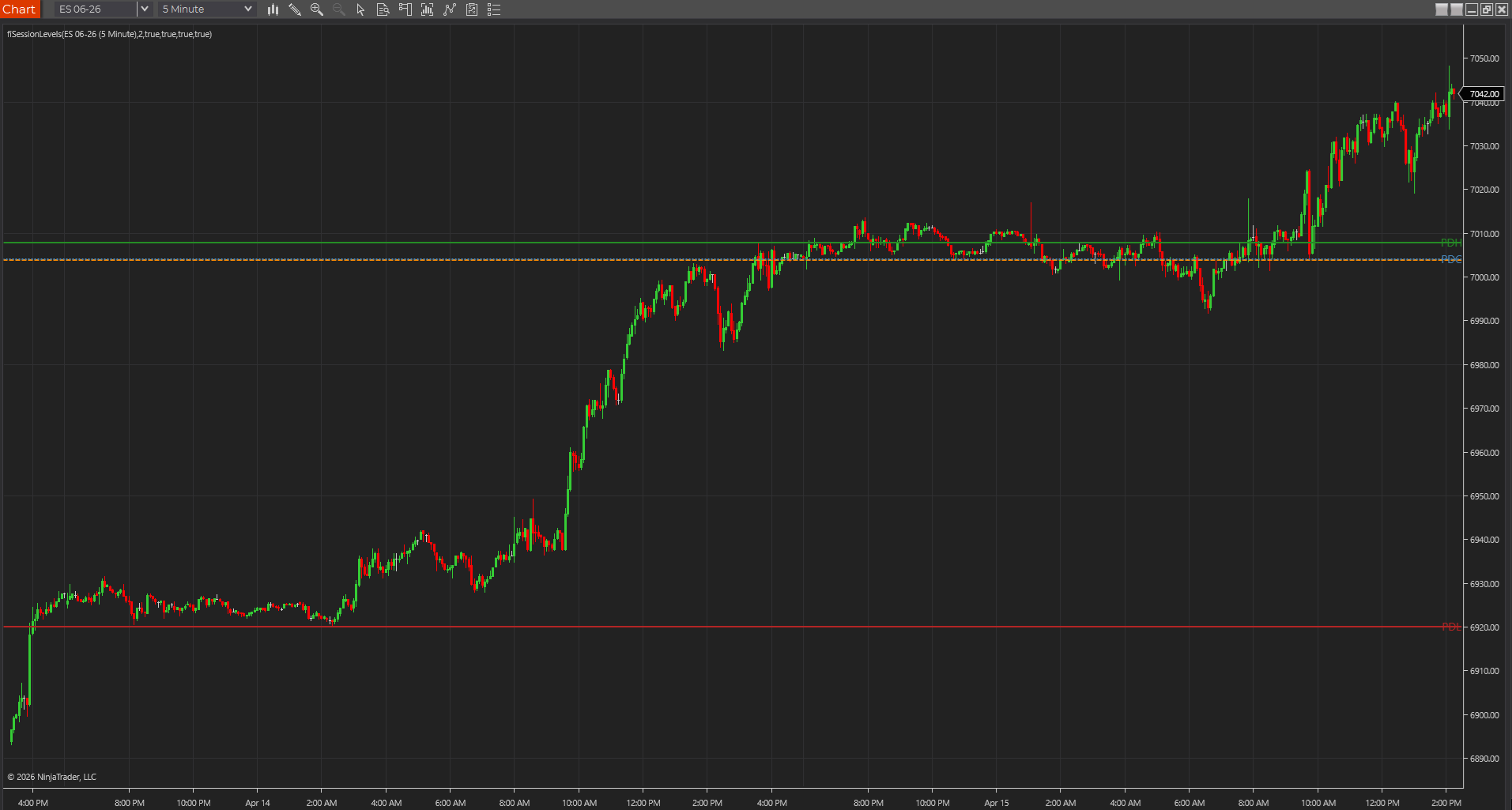
Futures traders usually need the chart to answer where price is trading relative to the session first. Session VWAP, prior-session levels, opening range references, and higher-time-frame levels are usually more useful than decorative pattern overlays.
- Session context matters because futures traders often care about the opening drive, overnight inventory, and prior-session reactions.
- A chart without context can make a good participation signal feel more important than it really is.
- Location tools are usually the first indicators that earn permanent screen space.
Use participation to confirm, not to lead everything
Participation tools like volume spikes, bar speed, and VWAP reclaims are strongest when they confirm a meaningful level or structure event. They are weaker when they are expected to create the entire trade idea by themselves.
- Volume cues matter more at opening range edges, prior highs and lows, and breakout retests.
- A futures chart usually gets cleaner when participation sits next to location instead of replacing it.
- This is why the best futures setups often look simpler than social-media charts.
Favor futures-specific practicality over indicator novelty
Futures traders usually benefit more from tools that improve session reads, risk framing, and tempo confirmation than from studies that generate constant pattern labels. The useful question is whether the tool changes your decision quality, not whether it looks advanced.
- Opening range and session-level tools help frame the intraday map.
- VWAP and volume tools help judge whether the move has believable participation.
- ATR-style overlays help keep stops and expectations tied to actual volatility.
Build a four-job chart first
A strong futures NinjaTrader chart can often be built from four jobs: one location tool, one participation tool, one structure tool, and one risk tool. Anything beyond that should justify its place clearly.
- Location: session levels, higher-time-frame levels, or session VWAP.
- Participation: volume spike or bar speed confirmation.
- Structure: opening range or market structure labels.
- Risk: ATR-based stop or volatility framing.
Move from shortlist to install carefully
Once the workflow is clear, use the product pages for screenshots, downloads, settings, and troubleshooting. The goal is to move from a good shortlist into a controlled install, not to load five new tools into your main workspace at once.
- Import one indicator at a time when possible.
- Test it in a clean chart or controlled workspace before trusting it.
- Use install and troubleshooting guides before assuming the tool is broken.
Use this first when you already know the platform is NinjaTrader
This guide is the stronger route when the platform decision is already made and the next question is which NinjaTrader indicators actually help futures traders most. It is narrower than the broad free-indicator guide and more workflow-focused than the raw downloads page.
- Use this page when NinjaTrader is already the chosen platform.
- Use the broader free-indicator guide when the shortlist still needs more comparison.
- Use the downloads page when you already know you want files first.
Best next reads
These pages pick up the questions most readers usually have next, so you do not have to back out and start a fresh search.
Frequently asked questions
What is the best first NinjaTrader indicator for futures traders?
Usually a location tool like session VWAP, session levels, or higher-time-frame levels, because it improves chart context before you add confirmation tools.
Should futures traders use more indicators than equity traders?
Not usually. Futures charts often work better with fewer, more deliberate tools tied to session context, participation, and risk.
What makes a NinjaTrader indicator especially useful for futures?
It should help with session structure, participation quality, volatility expectations, or clear intraday location without adding unnecessary clutter.