Guide walkthrough
Start reading here
This is the main article body, where the page shifts from summary cards into the actual workflow and decision-making notes.
On this page
Key terms for this guide
These glossary pages cover the ideas and platform language most likely to matter as you work through this guide.
Start with one tool per job
Most beginners do better with one context tool, one structure tool, and one risk tool than with five studies all hinting at the same thing in slightly different colors.
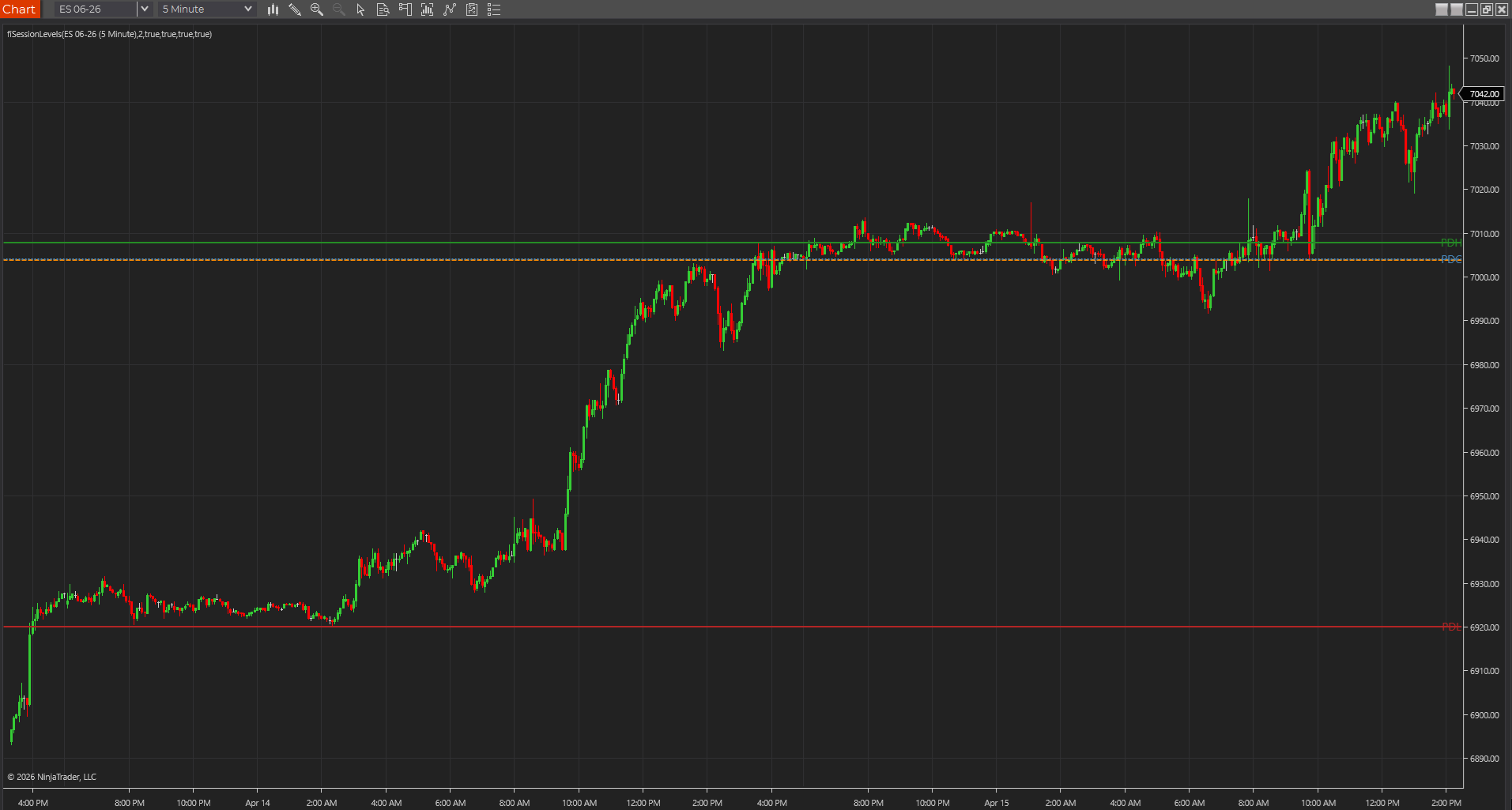
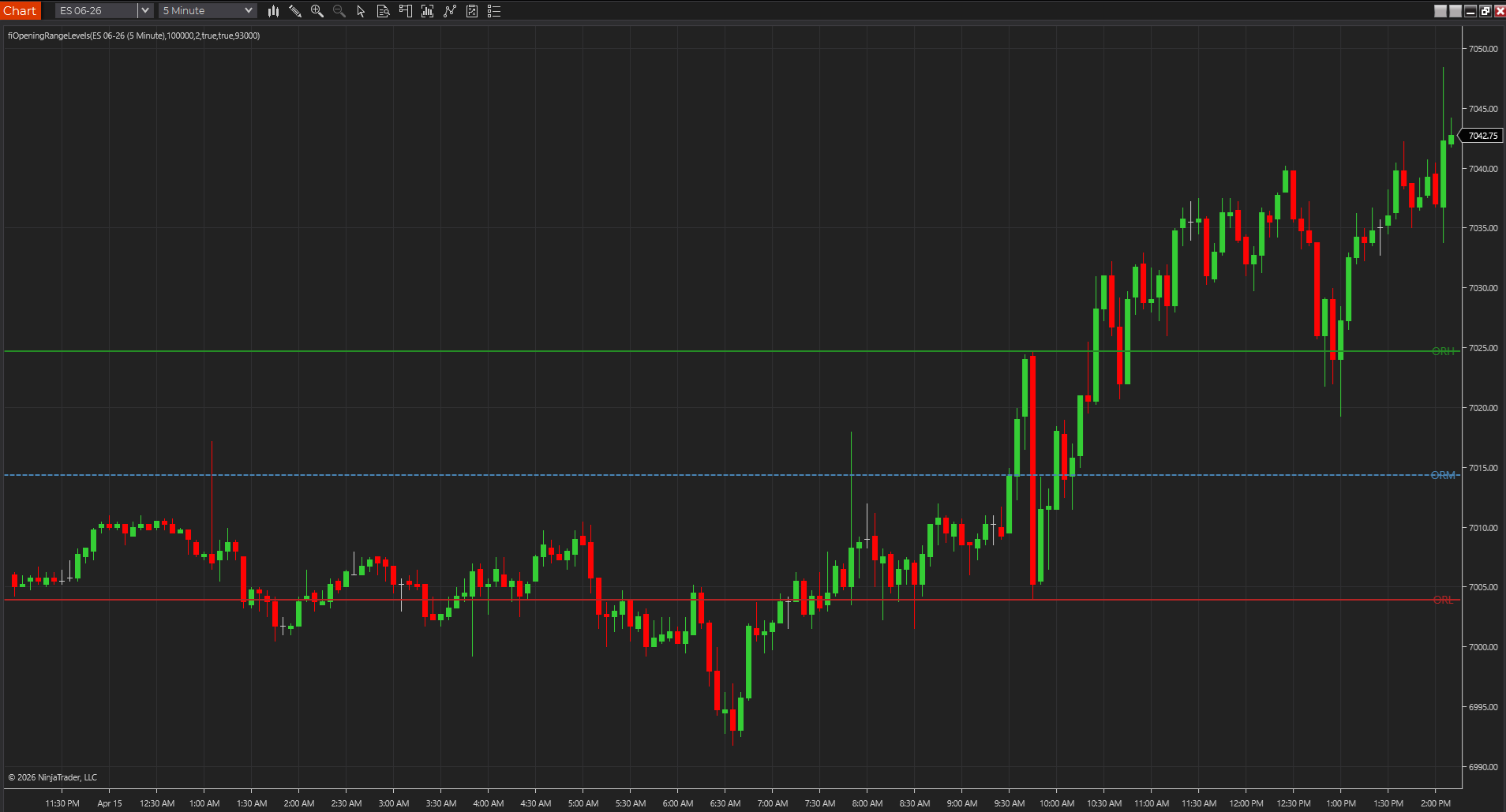
- A context tool can show session levels or opening range structure.
- A structure tool can help explain breakouts, swings, or trend direction.
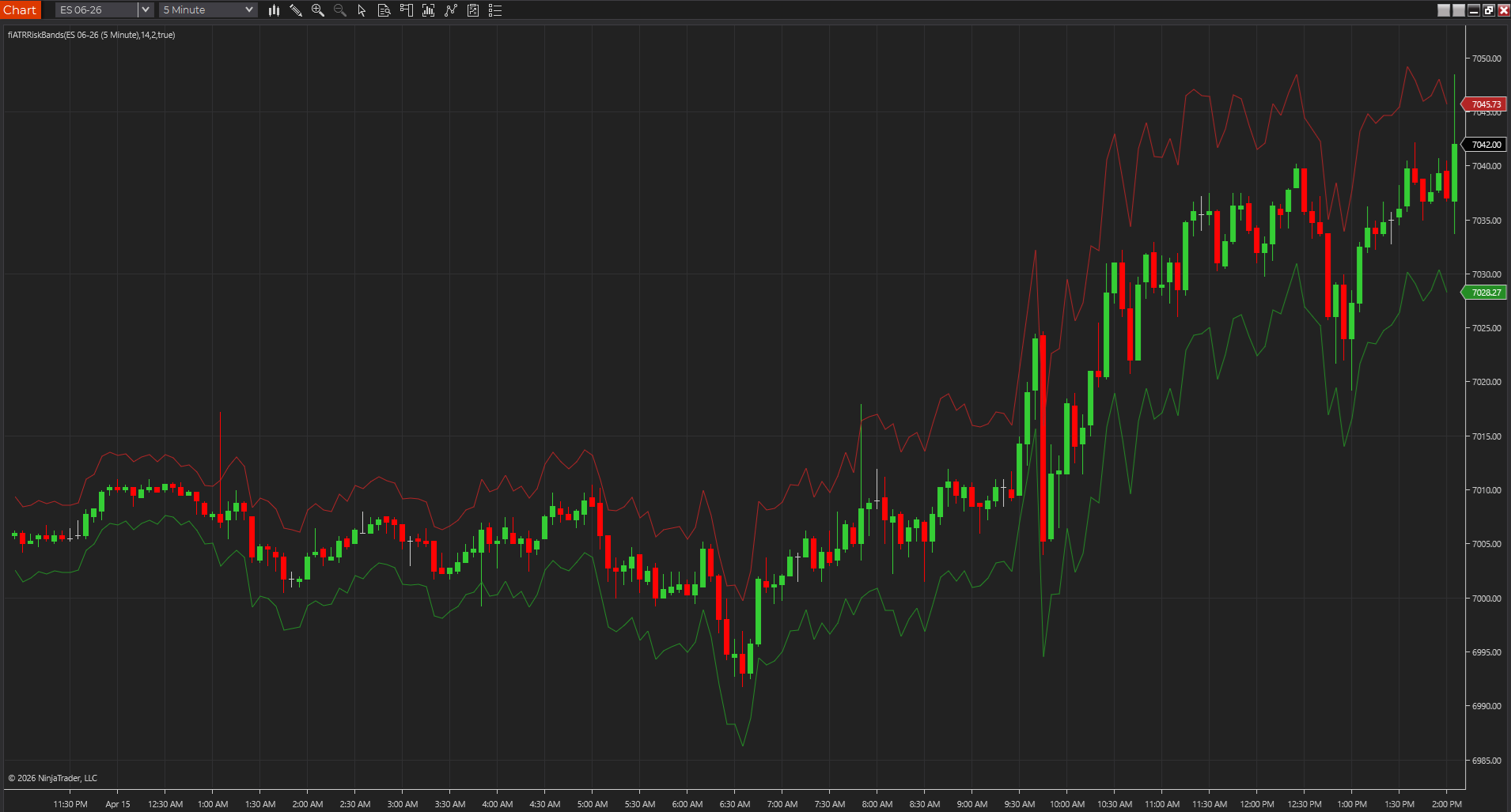
- A risk tool can keep stop distance and expectations tied to real volatility.
Prioritize readability over cleverness
The best beginner indicators are easy to explain out loud. If you cannot say what a line or marker means in a sentence or two, it is probably not helping yet.
- A clean indicator should shorten the time it takes to understand the chart.
- If the tool needs a paragraph of explanation every time it flashes, it is a poor starting point.
- Simple studies are easier to trust because they are easier to test honestly.
Choose tools that match beginner chart questions
Most new traders are not really asking for advanced math. They are asking simple questions: where is price relative to today's important levels, is the move expanding or stalling, and how far can the market reasonably move before the trade idea is wrong.
- Session levels and opening range tools help with location.
- Simple breakout or structure tools help with organization.
- ATR-style tools help keep risk expectations realistic.
Use indicators to organize decisions
A good beginner setup should make price easier to read. It should not pretend to replace trade selection, position sizing, or risk discipline.
- Indicators are there to support judgment, not remove responsibility.
- A study that encourages discipline is more useful than one that just looks impressive.
- Beginners usually benefit more from a cleaner routine than from a smarter-looking chart.
Best next reads
These pages pick up the questions most readers usually have next, so you do not have to back out and start a fresh search.
Frequently asked questions
How many indicators should a beginner start with?
Usually three is enough: one for location, one for structure or participation, and one for risk. More than that often creates overlap before it creates clarity.
What is the easiest mistake beginners make with indicators?
Loading several tools that all solve the same problem. The chart ends up crowded, but the trader still has not improved the workflow.
Should beginners start with complicated custom indicators?
Usually no. Clear, explainable tools are better early on because they are easier to test, easier to trust, and much easier to remove if they are not helping.