Guide walkthrough
Start reading here
This is the main article body, where the page shifts from summary cards into the actual workflow and decision-making notes.
On this page
Key terms for this guide
These glossary pages cover the ideas and platform language most likely to matter as you work through this guide.
MT5 is best when the stack stays practical and chart-driven
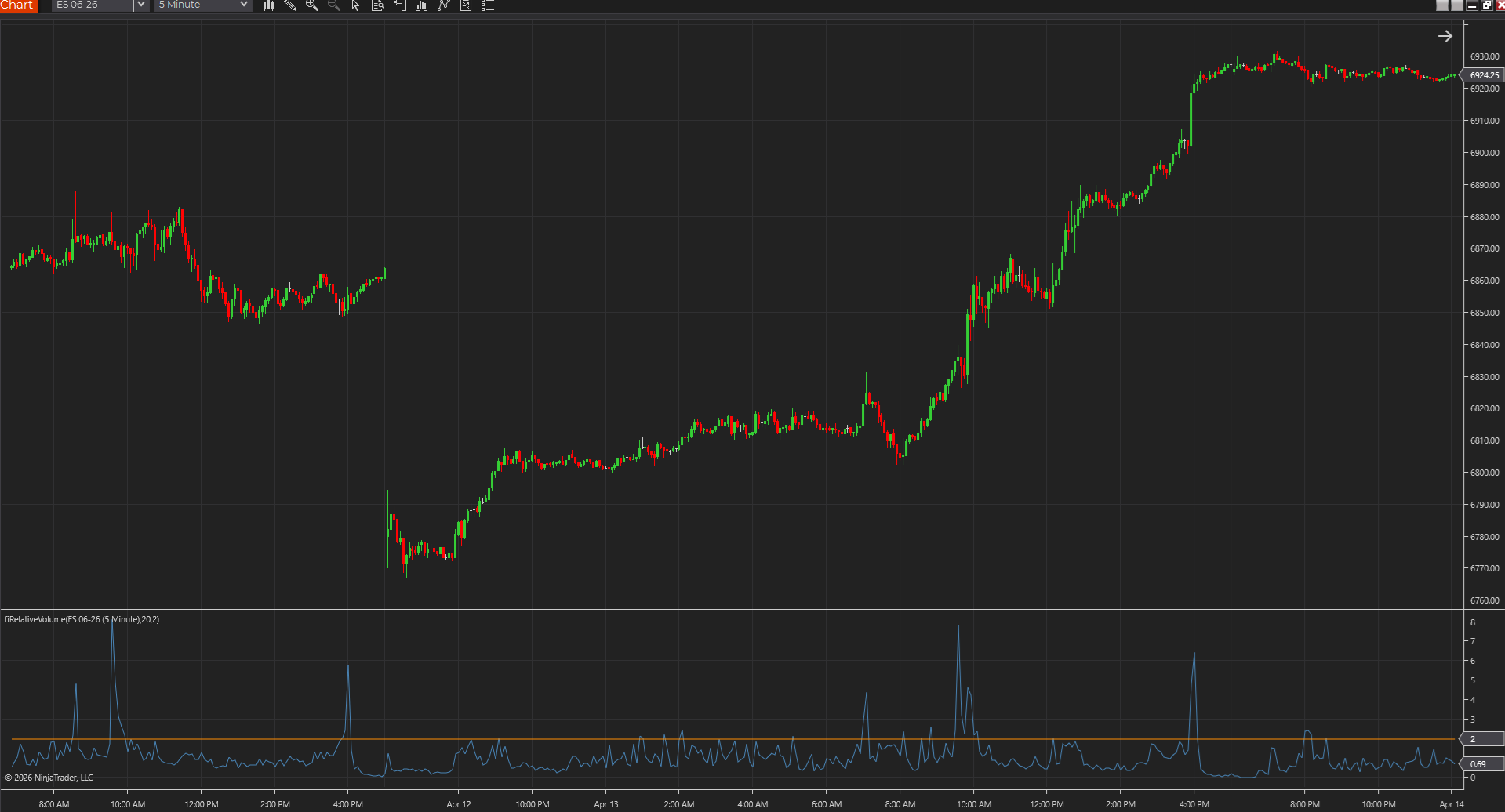
The best MT5 indicators are usually the ones that improve location, trend, and risk reads without turning the chart into a software demo. MT5 can support more involved studies than MT4, but the strongest workflows still come from a small group of tools with clearly different jobs.
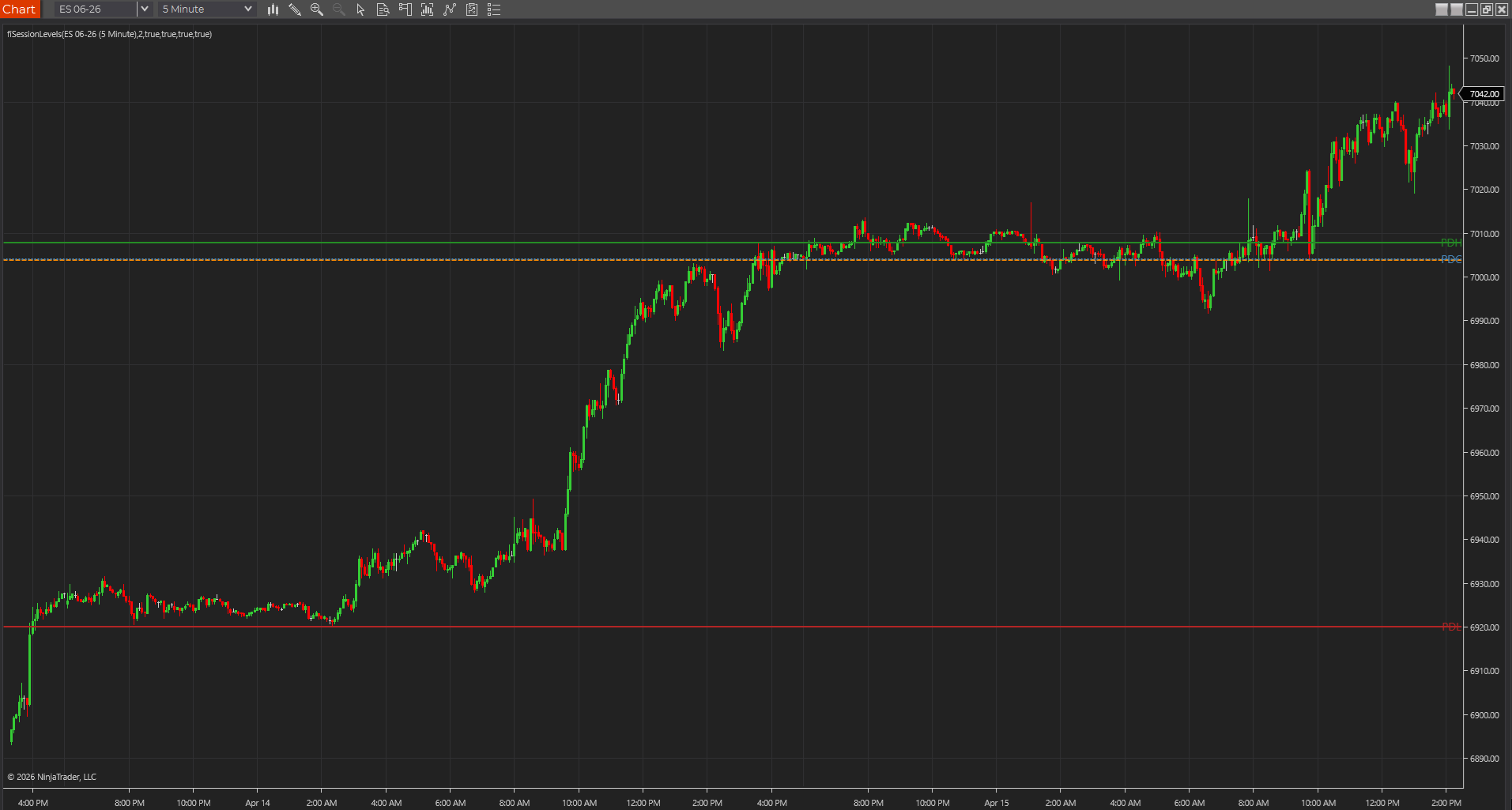
- Higher-time-frame and session-level tools help frame where price is, not just how fast it is moving.
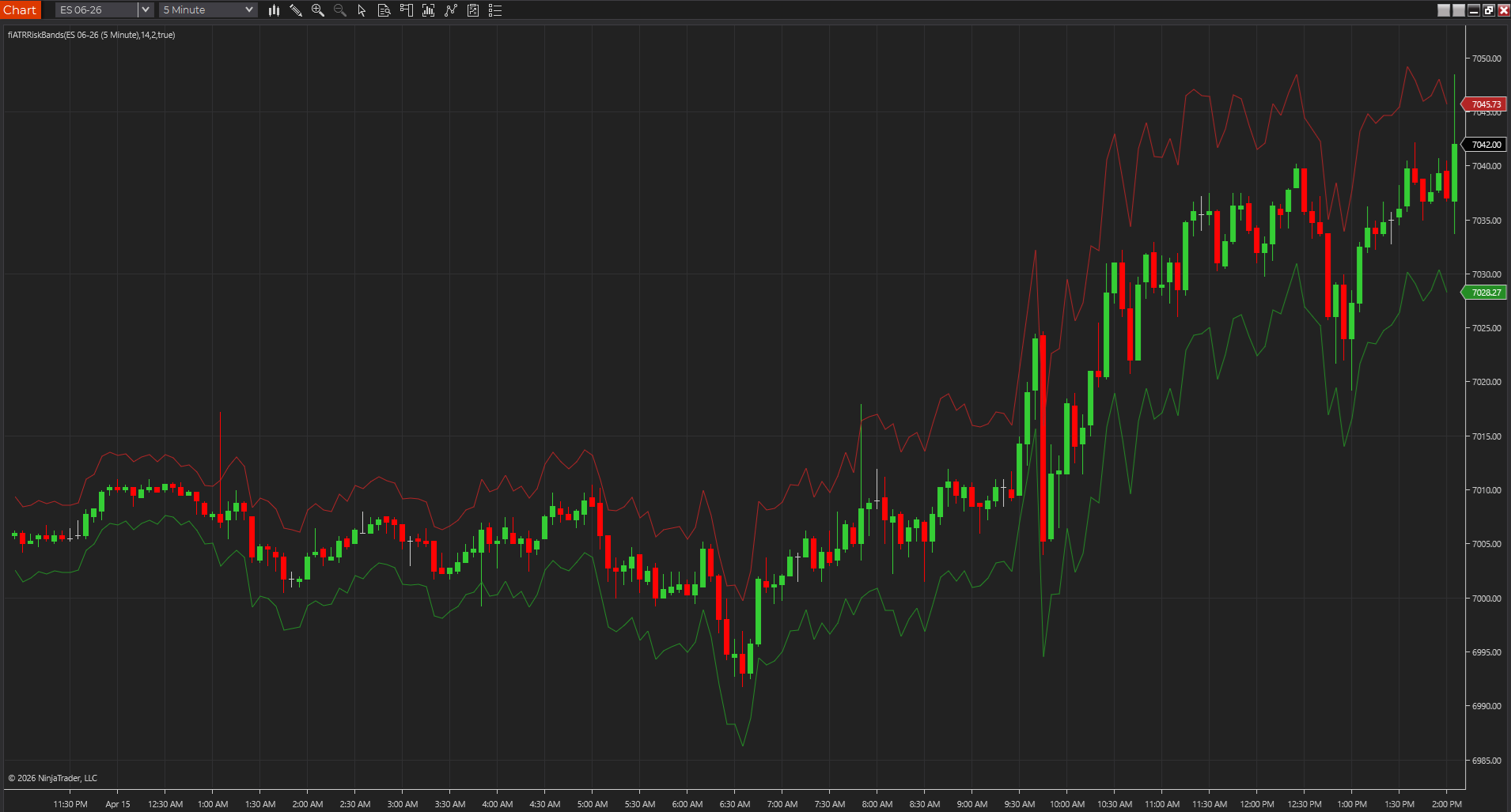
- Volatility and trailing-stop tools help tie exits and stop distance to actual chart conditions.
- Context tools are most valuable when they survive a real chart test instead of just looking sharp in screenshots.
MT5 is often where a cleaner MetaTrader workflow should live now
If a trader is choosing fresh rather than preserving a long MT4 habit, MT5 is often the better place to build. That does not mean every MT5 indicator is brilliant. It means the platform is usually a better long-term home for the indicators you plan to keep editing, testing, and maintaining.
- The platform choice matters as much as the individual study.
- A new workflow often benefits from leaning into MT5 instead of recreating old MT4 habits.
- That is why MT5 guides should help with platform fit, not just tool selection.
The best MT5 studies are still easy to check after compile
A useful MT5 indicator should survive a simple reality test: can you compile it, place it on a chart, and explain what the plots are doing without reverse-engineering your own workspace? If not, it may be clever code but it is not yet a good daily tool.
- Simple logic is easier to validate across symbols and timeframes.
- Clear behavior produces better testing notes and better later edits.
- That matters even more when the source code is part of the workflow.
Read MT5 indicator pages as part of a bigger platform decision
An MT5 indicator page should not just push tools. It should help the trader decide whether MT5 is the platform they actually want to keep using after the first few indicator tests. That makes the install and comparison pages part of the real value, not side content.
- The install guide covers the MetaEditor and chart workflow.
- The comparison pages handle the bigger MT4-versus-MT5 question.
- That makes the indicator page part of a real decision path.
The strongest MT5 stacks usually feel organized before they feel advanced
A good MT5 chart often looks less impressive than a crowded one because the logic is easier to follow. The best MT5 indicators usually help organize context, risk, and trend without making the workspace feel like a feature showcase. That is often the difference between a tool you test once and a stack you keep refining.
- Order matters more than complexity in a durable MT5 stack.
- Advanced does not have to mean crowded.
- That keeps the page focused on usable workflows instead of novelty.
Best next reads
These pages pick up the questions most readers usually have next, so you do not have to back out and start a fresh search.
Frequently asked questions
Are MT5 indicators generally better than MT4 indicators?
Not automatically, but MT5 is often the better long-term home if you are building a fresh MetaTrader workflow and want the newer environment to be the one you keep maintaining.
What should I start with on MT5?
Usually start with one context or level tool, one risk or volatility tool, and at most one trend filter. That is enough to build a usable chart without creating noise.
What makes an MT5 indicator stack feel mature instead of cluttered?
Each tool should have a distinct job and the chart should still be easy to read. If the stack organizes context, risk, and direction cleanly, it is probably moving in the right direction.
What should a trader add first on MT5?
Start with one context or session tool, one risk or volatility tool, and only then add a trend filter if it is still improving the read instead of repeating the same information.